The Next Wave of Academic Mobility: How Blended Education and Global Undergraduate Exchange Are Crafting Sustainable Futures

In an era where the boundaries of education are expanding beyond traditional classrooms, the fusion of blended education programs and global undergraduate exchange initiatives is redefining what it means to learn, grow, and thrive in a interconnected world. These dynamic models of academic mobility are not just about crossing geographical borders; they are about breaking down barriers to knowledge, fostering cultural fluency, and equipping students with the tools to become architects of a sustainable future. The question is no longer whether students should engage in international education, but how they can leverage these opportunities to create lasting impact.
The Rise of Blended Education: A New Paradigm for Learning
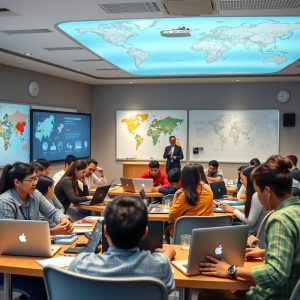
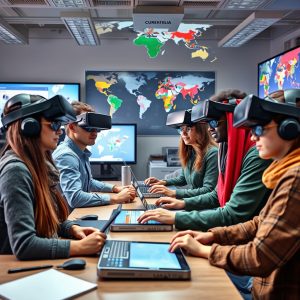
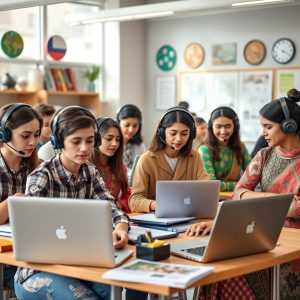
Blended education programs, which seamlessly integrate online and in-person learning, have emerged as a cornerstone of modern academic mobility. These hybrid learning formats offer unparalleled flexibility, allowing students to tailor their educational journeys to fit their unique needs and circumstances. Whether it’s a student in Nairobi taking a virtual course from a university in Berlin or a learner in Buenos Aires participating in a hybrid seminar with peers from Tokyo, blended education dismantles the limitations of time and space. This model not only democratizes access to high-quality education but also fosters a global classroom where diverse perspectives converge to spark innovation.
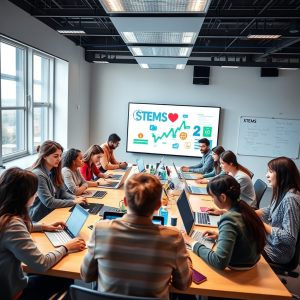
For institutions, blended education is a gateway to scaling their reach without compromising the depth of learning. Universities can now offer joint degrees, collaborative research projects, and cross-cultural seminars that were once logistically impossible. The result? A richer, more inclusive academic ecosystem where students from all walks of life can contribute to and benefit from a shared pool of knowledge. This shift is particularly transformative for fields like STEM, where global collaboration is essential to tackling complex challenges such as climate change, public health, and technological advancement.
Global Undergraduate Exchange: Beyond the Classroom
While blended education expands the horizons of learning, global undergraduate exchange programs take academic mobility a step further by immersing students in entirely new cultural and academic environments. These initiatives, often supported by fully funded scholarships or higher education grants, provide students with the opportunity to study abroad, engage in cultural immersion, and develop cross-cultural communication skills that are invaluable in today’s globalized workforce. Programs like the Global Undergraduate Exchange (Global UGRAD) or the Erasmus+ initiative are prime examples of how academic mobility can transform lives, fostering not just academic growth but personal and professional development as well.
The benefits of these exchange programs extend far beyond the individual. When students return to their home countries, they bring with them new ideas, perspectives, and skills that enrich their communities and drive progress. For instance, a student who participates in a STEM-focused exchange program might return with innovative solutions to local challenges, inspired by the best practices they observed abroad. Moreover, these programs cultivate a network of global citizens who are equipped to collaborate across borders, breaking down silos and fostering a spirit of collective problem-solving.
The Role of Financial Aid in Expanding Access
One of the most significant barriers to academic mobility is financial constraint. However, the rise of fully funded scholarships, merit-based scholarships, and financial aid packages has made it possible for students from diverse backgrounds to participate in global education initiatives. Organizations like the Fulbright Program, Chevening Scholarships, and the Mastercard Foundation Scholars Program are leading the charge in providing financial support to deserving students, ensuring that talent and potential—not financial means—determine who gets to participate in these life-changing opportunities.
These scholarships do more than just cover tuition and living expenses; they open doors to career development opportunities, mentorship, and networking that can shape a student’s professional trajectory. For example, a student who receives a fully funded scholarship to study abroad may gain access to internships, research opportunities, and industry connections that would have been out of reach otherwise. This financial support is not just an investment in individual students but in the future of global education and innovation.
Cultural Immersion: The Heart of Academic Mobility
At the core of global undergraduate exchange and blended education programs lies cultural immersion—a transformative experience that goes beyond textbooks and lectures. Cultural immersion allows students to step outside their comfort zones, challenge their assumptions, and develop a deeper understanding of the world. Whether it’s navigating daily life in a new country, participating in local traditions, or engaging in conversations with peers from different backgrounds, these experiences foster empathy, adaptability, and resilience.
For STEM students, cultural immersion is particularly valuable. In fields where collaboration and innovation are key, the ability to communicate effectively across cultures is a critical skill. A student who has lived and studied in a foreign country is better equipped to work in diverse teams, understand global markets, and develop solutions that are culturally sensitive and inclusive. Moreover, cultural immersion often sparks creativity, as students draw inspiration from the new environments and perspectives they encounter.
Sustainability: The Ultimate Goal of Academic Mobility
As the world grapples with pressing challenges like climate change, inequality, and technological disruption, the role of education in driving sustainable solutions has never been more critical. Blended education programs and global undergraduate exchange initiatives are uniquely positioned to address these challenges by fostering a generation of leaders who are not only academically skilled but also globally aware and socially responsible. These programs encourage students to think critically about the impact of their work, whether it’s developing sustainable technologies, advocating for social justice, or promoting environmental stewardship.
For example, a student who participates in a global exchange program focused on environmental science might return home with new insights into sustainable practices, which they can then implement in their local community. Similarly, a blended education program that emphasizes interdisciplinary learning can equip students with the skills to tackle complex, real-world problems from multiple angles. By integrating sustainability into the fabric of academic mobility, these programs are not just preparing students for the future—they are helping to shape it.
The fusion of blended education and global undergraduate exchange is more than just a trend; it is a movement that is reshaping the landscape of higher education. By breaking down barriers, fostering cultural fluency, and promoting sustainability, these initiatives are empowering students to become global citizens who are equipped to navigate and thrive in an increasingly interconnected world. The opportunities are vast, the potential is limitless, and the impact is profound. As more students and institutions embrace these models, the future of education will be defined not by where you learn, but by how you grow—and how you use that growth to make a difference.