Empowering Global STEM Changemakers: The Role of Hybrid Learning and Scholarships

In the rapidly evolving landscape of higher education, hybrid learning formats and international scholarships are emerging as powerful tools for fostering cross-cultural STEM collaboration and leadership. These innovative approaches are not only breaking down geographical barriers but also creating a more inclusive and diverse academic environment.
Hybrid Learning: A New Paradigm
Hybrid learning, which combines traditional classroom instruction with online learning, has gained significant traction in recent years. This format offers flexibility and accessibility, allowing students from different parts of the world to participate in the same educational programs. It is particularly beneficial for students in remote or underserved areas who may not have access to quality STEM education.
Benefits of Hybrid Learning
One of the key advantages of hybrid learning is its ability to foster cross-cultural communication. Students from diverse backgrounds can interact and collaborate on projects, gaining a global perspective that is invaluable in today’s interconnected world. Additionally, hybrid learning formats often incorporate interactive elements such as virtual labs and simulations, enhancing the learning experience and preparing students for real-world challenges.
Challenges and Solutions
While hybrid learning offers numerous benefits, it also presents challenges such as the digital divide and the need for robust technological infrastructure. To address these issues, educational institutions and governments must invest in infrastructure and provide training to ensure that all students have equal access to hybrid learning opportunities.
International Scholarships: Opening Doors
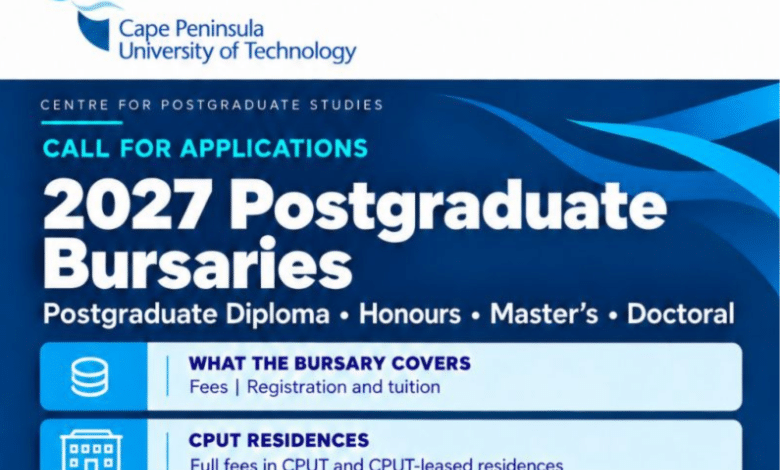
International scholarships play a crucial role in promoting academic mobility and cultural immersion. Fully funded scholarships, merit-based scholarships, and other financial aid packages enable students to pursue higher education in different countries, exposing them to new cultures and academic environments.
Types of Scholarships
There are various types of international scholarships available, including those for undergraduate and postgraduate studies. The Global Undergraduate Exchange Program (Global UGRAD) and the Fulbright Program are notable examples that offer fully funded opportunities for students to study abroad. These programs not only provide financial support but also offer mentorship and career development opportunities.
Impact on Career Development
Participating in international scholarship programs can significantly enhance a student’s career prospects. The experience of studying in a different country, interacting with diverse peers, and engaging in cross-cultural STEM projects can develop essential skills such as adaptability, problem-solving, and cross-cultural communication. These skills are highly valued by employers in the global job market.
As we look to the future, the integration of hybrid learning and international scholarships will continue to redefine cross-cultural STEM collaboration. By embracing these innovative approaches, we can create a more inclusive and interconnected academic community, empowering the next generation of global STEM changemakers. The journey towards educational sustainability and global excellence is well underway, and it is through these initiatives that we can truly unlock the world’s potential.