Project-Based Learning: Bridging Theory and Real-World Application for Lifelong Success
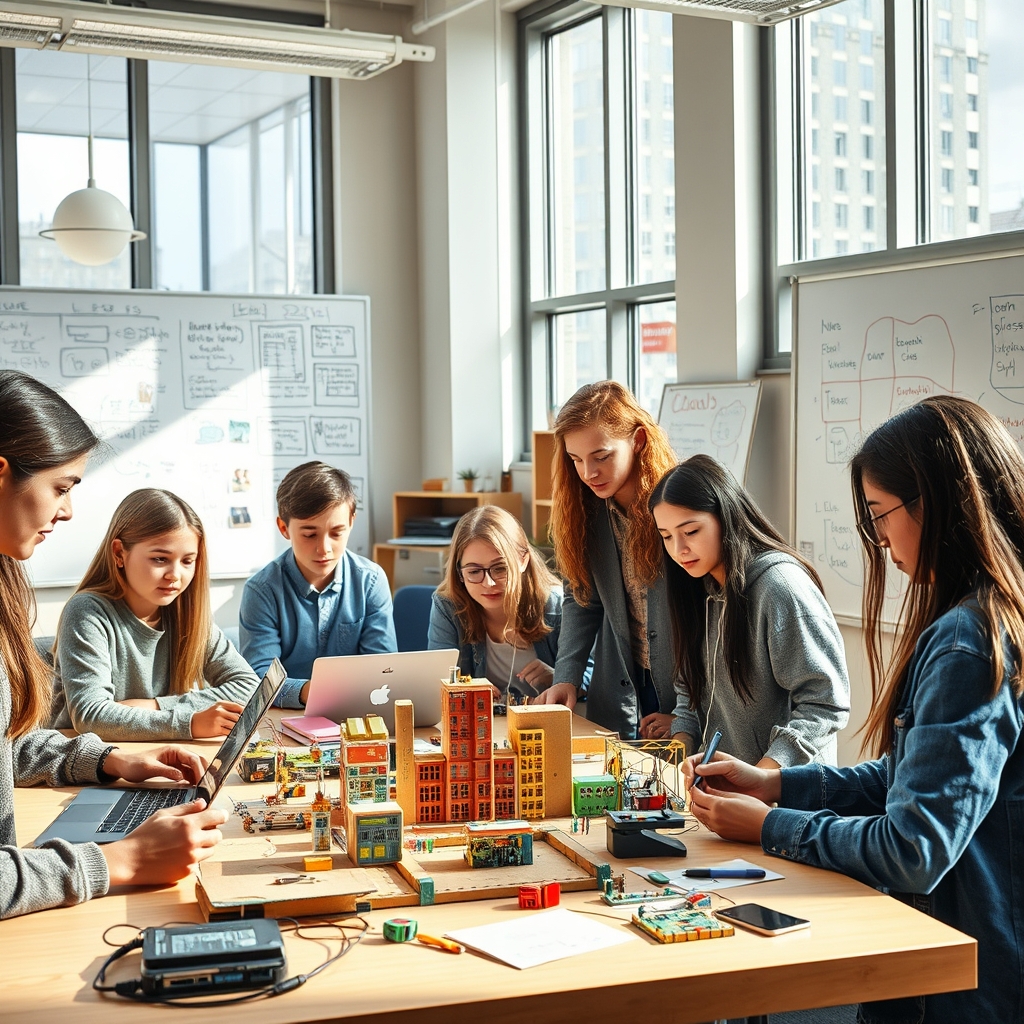
In an era where information is abundant but practical application is often lacking, traditional educational models are being challenged to evolve. The shift toward student-centric pedagogy has spotlighted project-based learning (PBL) as a transformative approach that not only engages learners but also equips them with the skills needed to thrive in dynamic environments. Unlike conventional methods that prioritize rote memorization, PBL immerses students in real-world application, fostering holistic cognitive growth through hands-on, meaningful experiences.
The Core Principles of Project-Based Learning
At its heart, PBL is built on the foundation of inquiry-based exploration. Students are presented with complex, open-ended problems or challenges that mirror real-life scenarios, requiring them to investigate, collaborate, and innovate. This methodology aligns with competency-based education, where mastery of skills and concepts is demonstrated through tangible outcomes rather than standardized tests. For example, a group of high school students tasked with designing a sustainable community garden must apply knowledge from biology, mathematics, economics, and environmental science—integrating interactive knowledge building across disciplines.
Another cornerstone of PBL is collaborative problem-solving. Learners work in teams, leveraging diverse perspectives to tackle challenges, which mirrors the collaborative nature of modern workplaces. This approach not only enhances subject-matter expertise but also cultivates social-emotional learning (SEL), as students navigate group dynamics, communication, and conflict resolution. The process of co-creating solutions fosters a sense of ownership and accountability, making learning deeply personal and engaging.
From Classroom to Career: The Long-Term Impact of PBL
The benefits of PBL extend far beyond academic achievement. By engaging in experiential knowledge acquisition, students develop critical thinking, adaptability, and resilience—skills that are increasingly valued in today’s job market. Employers consistently report that graduates often lack the ability to apply theoretical knowledge to practical situations. PBL addresses this gap by simulating real-world challenges, whether it’s developing a business plan, coding a functional app, or creating a public health campaign. These experiences not only build technical proficiency but also instill confidence in learners to tackle unfamiliar problems.
Moreover, PBL supports personalized educational journeys by allowing students to explore topics that align with their interests and career aspirations. A student passionate about renewable energy, for instance, might design a project around solar-powered solutions, while another interested in social justice could develop a community advocacy initiative. This flexibility ensures that learning is relevant and motivating, increasing student engagement and retention. Data-driven instructional design can further enhance PBL by using analytics to tailor projects to individual learning styles and progress, ensuring that each student is challenged at the appropriate level.
Integrating Technology and Digital Literacy
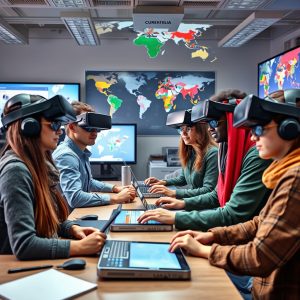
Incorporating digital literacy integration into PBL is essential in preparing students for a technology-driven world. Projects often require the use of digital tools for research, collaboration, and presentation, from cloud-based platforms like Google Workspace to specialized software for coding, design, or data analysis. For example, students working on a documentary project might use video editing software, while those analyzing climate data could leverage spreadsheet programs or GIS tools. These experiences not only build technical skills but also teach students how to navigate and evaluate digital information critically.
Gamified elements can also enhance PBL by introducing gamified learning experiences that motivate and reward progress. Platforms like Classcraft or Minecraft: Education Edition transform projects into interactive quests, where students earn points, badges, or levels for completing milestones. This approach taps into the natural human desire for achievement and competition, making the learning process more dynamic and enjoyable. When combined with PBL, gamification can boost engagement and persistence, particularly for students who may struggle with traditional academic tasks.
Scaffolding and Reflective Practice: Keys to Deep Learning
For PBL to be effective, it must be thoughtfully structured to support learners at every stage. Scaffolding complex concepts ensures that students are not overwhelmed by the open-ended nature of projects. Educators can provide frameworks, templates, or checkpoints to guide the process, gradually reducing support as students gain confidence and competence. For instance, a teacher might break a project into phases—research, prototyping, testing, and presentation—with clear deadlines and deliverables for each stage. This structured approach helps students develop time management and organizational skills while ensuring they stay on track.
Reflective learning practice is another critical component of PBL. After completing a project, students are encouraged to reflect on their experiences, identifying what they learned, what challenges they faced, and how they overcame them. This metacognitive process deepens understanding and helps students transfer skills to new contexts. Journals, peer feedback sessions, or digital portfolios can facilitate reflection, allowing students to document their growth over time. For educators, these reflections provide valuable insights into student progress and areas where additional support may be needed.
Preparing Educators for the PBL Shift
Implementing PBL requires a shift in the role of educators, from dispensers of knowledge to facilitators of learning. This transition demands continuous professional development to equip teachers with the skills and strategies needed to design and manage effective projects. Workshops, coaching, and collaborative planning sessions can help educators develop project-based curricula that align with learning objectives while fostering creativity and critical thinking. Additionally, teachers must be adept at assessing student work in ways that go beyond traditional tests, using rubrics, portfolios, and presentations to evaluate mastery of skills and concepts.
Schools and institutions can support this shift by fostering a culture of innovation and risk-taking. Administrators play a crucial role in providing resources, time, and flexibility for teachers to experiment with PBL. Partnerships with local businesses, nonprofits, or universities can also enrich projects by connecting students with real-world experts and mentors. For example, a science class might collaborate with a local environmental organization to monitor water quality in a nearby river, providing students with hands-on experience while contributing to a meaningful cause.
As education continues to evolve, the demand for methodologies that prepare students for the complexities of the modern world will only grow. Project-based learning stands out as a powerful approach that bridges the gap between theory and practice, equipping learners with the skills, mindset, and confidence to navigate an uncertain future. By embracing PBL, educators can create dynamic learning environments where students are not just passive recipients of knowledge but active creators of their own educational journeys. The result is a generation of learners who are not only academically proficient but also adaptable, innovative, and ready to make a meaningful impact in their communities and beyond.