The Scholar’s Horizon: How Hybrid Learning and Cross-Cultural Scholarships Are Unlocking Unprecedented Career Development Opportunities

The modern educational landscape is no longer confined to the four walls of a traditional classroom. As globalization accelerates and technology bridges geographical divides, students are increasingly seeking experiences that transcend borders, cultures, and conventional learning methods. At the heart of this transformation lies the powerful synergy between hybrid learning formats and cross-cultural scholarships, a combination that is redefining what it means to prepare for a global career. These opportunities are not just about academic growth; they are about cultivating adaptability, resilience, and a deep understanding of the interconnected world we live in.
The Evolution of Hybrid Learning: More Than Just a Trend
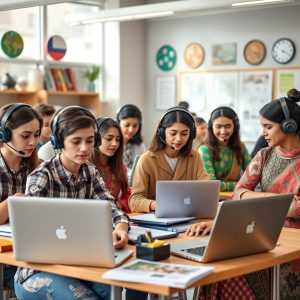
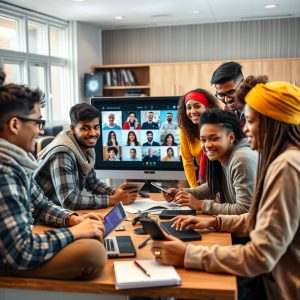
Hybrid learning, which blends in-person and online education, has evolved from a temporary solution during global disruptions to a permanent fixture in higher education. Its flexibility allows students to engage with coursework at their own pace while still benefiting from the collaborative and immersive aspects of traditional learning. For international students, this model is particularly transformative. It removes barriers such as visa restrictions, travel costs, and time zone differences, making high-quality education accessible to a broader audience. Universities and scholarship programs are now leveraging hybrid formats to create dynamic learning environments where students from diverse backgrounds can collaborate on projects, participate in virtual labs, and engage in real-time discussions with peers and professors across the globe.
What sets hybrid learning apart is its ability to mirror the demands of the modern workplace. Employers today value professionals who can navigate digital tools, work remotely, and communicate effectively across cultures. By integrating hybrid learning into their academic journey, students are not just earning a degree—they are developing the skills and mindset needed to thrive in a globalized economy. Scholarships that support hybrid learning often include access to cutting-edge digital platforms, mentorship programs, and networking opportunities, further enhancing the value of the educational experience.
Cross-Cultural Scholarships: The Gateway to Global Opportunities
While hybrid learning provides the framework for a flexible and inclusive education, cross-cultural scholarships serve as the catalyst that makes these experiences accessible to students from all walks of life. Fully funded scholarships, merit-based awards, and academic fellowships are designed to alleviate the financial burden of studying abroad, but their impact goes far beyond monetary support. These scholarships are gateways to cultural immersion, offering students the chance to live, study, and work in environments that challenge their perspectives and broaden their worldviews.
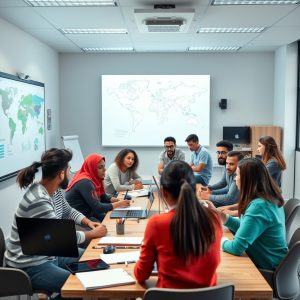
Programs like the Global Undergraduate Exchange and Virtual Student Exchange are prime examples of how scholarships are fostering cross-cultural communication and collaboration. Participants in these programs often find themselves working on international research projects, engaging in community service initiatives, or interning with global organizations. These experiences not only enrich their academic portfolios but also equip them with the soft skills—such as empathy, cultural sensitivity, and adaptability—that are increasingly sought after in today’s job market. Moreover, scholarships that emphasize cultural immersion often include language training, homestays, and local excursions, allowing students to fully integrate into their host communities and build lasting connections.
The Ripple Effect of Academic Mobility
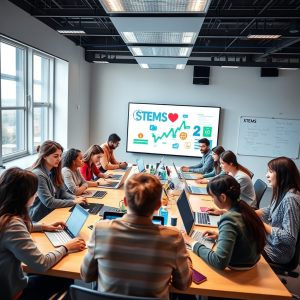
Academic mobility, once a privilege reserved for a select few, is now within reach for a growing number of students thanks to hybrid learning and scholarship opportunities. The benefits of studying abroad or participating in a student exchange program extend far beyond the individual. When students return to their home countries, they bring with them new ideas, skills, and networks that can drive innovation and positive change in their communities. This ripple effect is particularly evident in fields like STEM, where cross-cultural collaboration is essential for tackling global challenges such as climate change, healthcare disparities, and technological advancement.
For example, a student from a developing country who receives a scholarship to study engineering at a top university abroad may return home with the knowledge and resources to develop sustainable infrastructure projects. Similarly, a student participating in a virtual exchange program focused on public health could collaborate with peers from different countries to design solutions for local healthcare systems. These experiences not only enhance the students’ career prospects but also contribute to the broader goal of educational sustainability—creating a cycle of learning and growth that benefits society as a whole.
Blended Education Programs: The Best of Both Worlds
Blended education programs, which combine online coursework with in-person experiences, are emerging as a gold standard for international education. These programs offer the flexibility of hybrid learning while still providing the invaluable benefits of face-to-face interaction. For instance, a student might complete the theoretical components of their degree online and then travel abroad for a semester to participate in hands-on research, internships, or cultural exchange activities. This model allows students to tailor their education to their personal and professional goals, making it a highly attractive option for those seeking a balance between convenience and immersion.
Scholarships that support blended education programs often include provisions for travel grants, housing stipends, and access to local resources, ensuring that students can fully engage with their host communities. Additionally, these programs frequently incorporate career development components, such as resume workshops, interview preparation, and networking events, to help students transition seamlessly from academia to the workforce. By participating in blended education programs, students gain a competitive edge in the job market, as they graduate with not only a degree but also a portfolio of international experiences and a global professional network.
Navigating the Challenges of Global Education
While the opportunities presented by hybrid learning and cross-cultural scholarships are vast, they are not without challenges. Students may face obstacles such as language barriers, cultural adjustment, or the logistical complexities of managing online and in-person components of their education. However, these challenges are also opportunities for growth. Overcoming them builds resilience, problem-solving skills, and a deeper appreciation for diversity—qualities that are invaluable in both personal and professional life.
To maximize the benefits of these programs, students should seek out scholarships and learning formats that align with their long-term goals. For example, those interested in STEM fields might prioritize programs that offer research opportunities, lab access, or partnerships with industry leaders. Meanwhile, students focused on the humanities or social sciences may look for programs that emphasize cultural immersion, language acquisition, or community engagement. By carefully selecting programs that match their aspirations, students can ensure that their educational journey is both enriching and relevant to their future careers.
As the world becomes increasingly interconnected, the demand for professionals who can navigate diverse environments and collaborate across cultures will continue to grow. Hybrid learning and cross-cultural scholarships are not just tools for academic advancement; they are the building blocks of a new era of global education. By embracing these opportunities, students are not only investing in their own futures but also contributing to a more inclusive, innovative, and sustainable world. The horizon of possibilities is vast, and those who dare to explore it will find that the rewards extend far beyond the classroom, shaping careers, communities, and the future of global collaboration.