Bridging Borders: How Global Student Exchange Programs Are Shaping the Future of Education

The landscape of higher education is undergoing a profound transformation, driven by the increasing interconnectedness of our world. At the heart of this evolution are student exchange programs and academic mobility initiatives, which are not only expanding access to education but also fostering cross-cultural communication and innovation. These programs are no longer just about spending a semester abroad; they are about creating a generation of globally minded leaders equipped to tackle the challenges of the 21st century.
The Rise of Hybrid and Blended Learning Formats
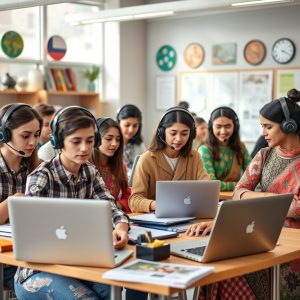
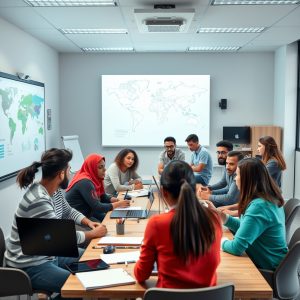
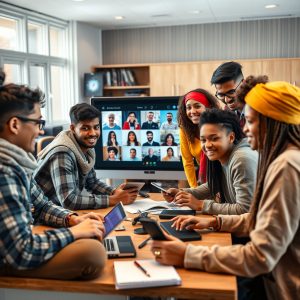
The traditional model of studying abroad—packing your bags and relocating to a foreign country for an extended period—has been reimagined. The emergence of hybrid learning formats and blended education programs has democratized access to international education, making it possible for students to engage in virtual student exchange without leaving their home countries. These formats combine online coursework with in-person experiences, such as short-term study tours or collaborative projects with international peers. For example, a student in Nairobi can now participate in a Global Undergraduate Exchange program, attending virtual lectures from a university in Berlin while working on a group project with classmates from Tokyo and São Paulo.
This shift has been accelerated by the global pandemic, which forced institutions to rethink how education is delivered. The result? A more flexible, inclusive, and sustainable approach to academic mobility. Students who may have been deterred by the financial or logistical challenges of traditional study abroad programs can now dip their toes into international education with lower barriers to entry. Moreover, these hybrid models are proving to be a boon for educational sustainability, reducing the carbon footprint associated with long-term travel while still delivering rich cultural and academic experiences.
Fully Funded Scholarships: Breaking Down Financial Barriers
While the benefits of studying abroad are well-documented—enhanced employability, personal growth, and a broader worldview—financial constraints remain a significant hurdle for many students. This is where fully funded scholarships and higher education grants play a pivotal role. Programs like the Fulbright Scholarship, Chevening Scholarship, and Erasmus Mundus Joint Master Degrees are not just financial aids; they are lifelines that enable talented students from diverse backgrounds to pursue their academic dreams without the burden of debt.
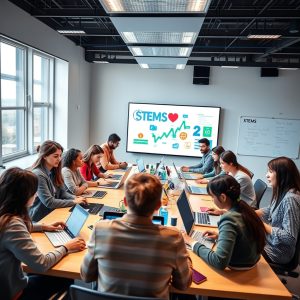
These scholarships often cover tuition, living expenses, travel costs, and even language training, ensuring that recipients can fully immerse themselves in their host countries. For instance, the Global STEM Changemakers initiative offers merit-based scholarships to students pursuing degrees in science, technology, engineering, and mathematics, with a focus on fostering innovation and collaboration across borders. By removing financial barriers, these programs are leveling the playing field and creating opportunities for students who might otherwise be excluded from the global academic community.
The Power of Cultural Immersion and Career Development
Beyond the classroom, student exchange programs offer unparalleled opportunities for cultural immersion. Living and studying in a foreign country exposes students to new perspectives, traditions, and ways of thinking. It challenges them to step outside their comfort zones, adapt to unfamiliar environments, and develop a deeper understanding of global issues. These experiences are invaluable in today’s interconnected world, where cross-cultural communication skills are highly sought after by employers.
Moreover, international education is a catalyst for career development opportunities. Students who participate in exchange programs often gain access to internships, networking events, and mentorship opportunities that can shape their professional trajectories. For example, a student who completes a postgraduate funding program in the United States may return home with connections to industry leaders, research collaborations, or even job offers. Employers increasingly value the soft skills—such as adaptability, problem-solving, and cultural sensitivity—that students develop through these experiences. In fact, studies have shown that graduates with international exposure are more likely to secure leadership roles and higher salaries compared to their peers.
Navigating the Future of Academic Mobility
As the demand for international education continues to grow, so too does the need for innovative solutions to support academic mobility</hly. Institutions are exploring new models, such as academic fellowships that combine research with teaching, or financial aid packages that include stipends for virtual exchange programs. There is also a growing emphasis on educational sustainability, with universities adopting practices that minimize the environmental impact of student mobility, such as carbon offset programs or partnerships with local institutions to reduce the need for long-distance travel.
The future of global education lies in its ability to adapt to the changing needs of students and the world at large. Whether through hybrid learning formats, fully funded scholarships, or cultural immersion programs, the goal remains the same: to create a more inclusive, interconnected, and innovative academic landscape. As students continue to seek out these opportunities, they are not just investing in their own futures—they are contributing to a more collaborative and understanding global community.
The journey of studying abroad, whether physically or virtually, is more than an academic pursuit; it is a transformative experience that shapes individuals and societies alike. In a world where borders are increasingly blurred, the ability to navigate diverse cultures, perspectives, and ideas is not just an advantage—it is a necessity. The students who embrace these opportunities today will be the leaders, innovators, and changemakers of tomorrow, bridging gaps and building a future where education knows no boundaries.