Bridging Gaps: How Smart Classroom Technology is Redefining Inclusive Education for the 21st Century
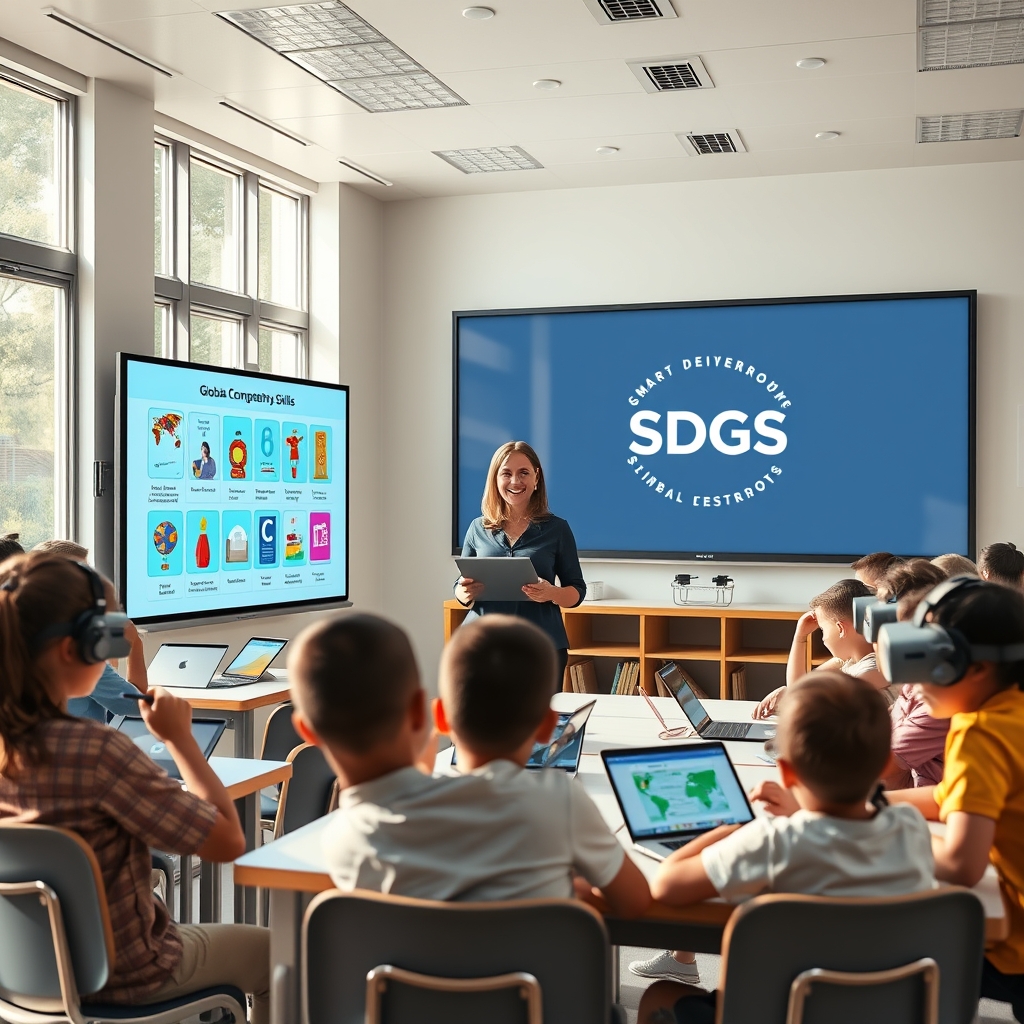
In an era where education is no longer confined to the four walls of a traditional classroom, the integration of smart classroom technology has emerged as a powerful catalyst for change. It is reshaping the landscape of learning, making it more accessible, engaging, and tailored to the diverse needs of students worldwide. As educators and policymakers strive to align with the Sustainable Development Goals (SDGs), particularly SDG 4—ensuring inclusive and equitable quality education—technology stands at the forefront of this transformation. But how exactly is smart classroom technology breaking down barriers and fostering an environment where every learner can thrive?
The Evolution of Classrooms: From Chalkboards to Smartboards
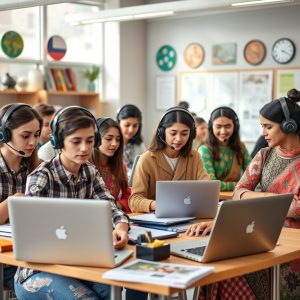
The journey from chalkboards to interactive smartboards symbolizes more than just a shift in tools; it represents a fundamental change in how education is delivered and experienced. Smart classroom technology encompasses a wide array of digital tools, including interactive whiteboards, tablets, virtual reality (VR) headsets, artificial intelligence (AI)-driven learning platforms, and cloud-based collaboration tools. These innovations are not merely add-ons but integral components that enhance student-centered learning by making lessons more dynamic, interactive, and adaptable to individual learning paces.
For instance, AI-powered platforms can analyze a student’s performance in real-time, identifying strengths and areas that require additional support. This enables educators to create personalized learning paths that cater to each student’s unique needs, ensuring that no one is left behind. Such advancements are particularly impactful in inclusive education, where students with disabilities or those from marginalized communities can benefit from customized resources and assistive technologies that level the playing field.
Digital Literacy: The New Cornerstone of Education
As smart classroom technology becomes more pervasive, digital literacy has evolved from a supplementary skill to a fundamental competency. It is no longer enough for students to be proficient in reading, writing, and arithmetic; they must also navigate the digital world with confidence and critical thinking. Digital literacy encompasses the ability to use technology effectively, evaluate online information, and understand the ethical implications of digital actions—skills that are essential for success in the 21st-century workforce.
Educators play a pivotal role in fostering digital literacy, and this begins with teacher professional development. Schools must invest in ongoing training programs that equip teachers with the knowledge and skills to integrate technology seamlessly into their teaching methods. Workshops on innovative teaching methods, such as blended learning and flipped classrooms, can empower educators to create more engaging and interactive lessons. Moreover, teachers who are digitally literate can serve as role models, demonstrating the responsible and creative use of technology to their students.
The Role of Infrastructure in Equitable Access
While the benefits of smart classroom technology are undeniable, its potential can only be fully realized when there is equitable access to modern infrastructure. Unfortunately, disparities in resource allocation persist, with many schools—particularly those in rural or underserved areas—lacking the necessary tools and connectivity to support digital learning. Addressing this gap requires a concerted effort from governments, non-profits, and private sector partners to invest in modern infrastructure development, such as high-speed internet, reliable electricity, and up-to-date hardware.
Initiatives like the Global Partnership for Education (GPE) and UNICEF’s Reimagine Education campaign are working to bridge this divide by providing funding and resources to schools in low-income countries. These efforts are not just about providing devices; they are about creating an ecosystem where technology can thrive and where every student, regardless of their background, has the opportunity to benefit from a high-quality education.
Fostering Global Competency Through Technology
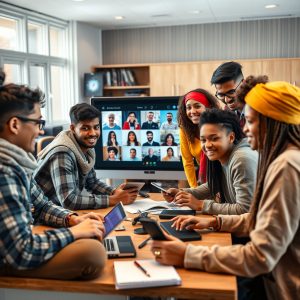
In today’s interconnected world, education must extend beyond academic knowledge to include global competency skills. These skills—such as cultural awareness, collaboration, and problem-solving—prepare students to navigate and contribute to a diverse and rapidly changing global society. Smart classroom technology facilitates this by connecting students with peers and experts from around the world, enabling cross-cultural exchanges and collaborative projects that broaden their perspectives.
For example, virtual exchange programs allow students to engage in real-time discussions with their counterparts in other countries, fostering empathy and understanding. Similarly, online platforms that offer courses in multiple languages can help students develop linguistic skills while gaining insights into different cultures. By integrating these experiences into the curriculum, educators can cultivate a generation of learners who are not only academically proficient but also globally aware and socially responsible.
Socioemotional Learning in the Digital Age
While technology offers incredible opportunities for academic growth, it is equally important to address the socioemotional needs of students. Socioemotional learning (SEL) programs focus on developing skills such as self-awareness, emotional regulation, and interpersonal relationships—skills that are critical for personal and academic success. Smart classroom technology can support SEL by providing platforms for mindfulness exercises, virtual counseling sessions, and interactive activities that promote teamwork and communication.
For instance, apps like ClassDojo and Nearpod include features that encourage students to reflect on their emotions, set goals, and collaborate with their peers. These tools not only enhance the learning experience but also create a supportive and inclusive classroom environment where students feel valued and understood. By integrating SEL into the digital learning experience, educators can help students develop the resilience and empathy needed to thrive in both their personal and academic lives.
The Future of Education: A Balanced Approach
As we look to the future, it is clear that smart classroom technology will continue to play a transformative role in education. However, its success hinges on a balanced approach that prioritizes both technological innovation and human connection. While AI and automation can streamline administrative tasks and personalize learning, they cannot replace the empathy, creativity, and inspiration that teachers bring to the classroom. The goal should not be to replace educators with technology but to empower them with tools that enhance their ability to connect with and inspire their students.
Moreover, as technology evolves, so too must our commitment to quality assurance in education. This means ensuring that digital tools are not only effective but also ethical, secure, and aligned with educational standards. It also means continuously evaluating and refining educational assessment tools to ensure they accurately measure student progress and provide meaningful feedback. By striking this balance, we can create a learning environment that is both cutting-edge and deeply human, where every student has the opportunity to reach their full potential.
The journey toward inclusive and equitable education is ongoing, and smart classroom technology is a powerful ally in this endeavor. As we embrace these innovations, we must remain mindful of the broader goal: to create a world where every learner, regardless of their circumstances, has the tools and opportunities to succeed. The classrooms of the future are not just smarter—they are more compassionate, more connected, and more inclusive, reflecting the diverse and dynamic world we live in.