Cultural Immersion and Career Development: The Benefits of International Student Mobility

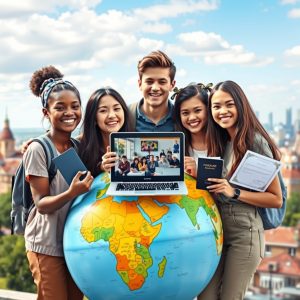
In today’s interconnected world, the benefits of international student mobility are more pronounced than ever. Students who choose to study abroad or participate in exchange programs gain a wealth of experiences that extend far beyond the classroom. These experiences can significantly enhance cultural immersion and career development, making international mobility a valuable investment in one’s future.
Cultural Immersion Through International Mobility
One of the most significant advantages of international student mobility is the opportunity for cultural immersion. Living and studying in a foreign country exposes students to new languages, customs, and ways of life. This immersion fosters a deeper understanding and appreciation of different cultures, promoting cross-cultural communication and global awareness.
Cultural immersion also helps students develop a global mindset, which is increasingly important in today’s diverse and interconnected world. By experiencing different cultural perspectives, students can better navigate multicultural environments and collaborate effectively with people from diverse backgrounds. This skill is invaluable in both personal and professional settings.
Career Development Opportunities
International student mobility also offers numerous career development opportunities. Employers today value candidates with international experience, as it demonstrates adaptability, resilience, and a global perspective. Students who study abroad or participate in exchange programs often gain unique skills and experiences that set them apart in the job market.
Moreover, international mobility can provide access to global networks and career opportunities. Students may have the chance to intern with international companies, participate in global research projects, or attend international conferences. These experiences can open doors to future career prospects and help students build a global professional network.
Financial Aid and Scholarships
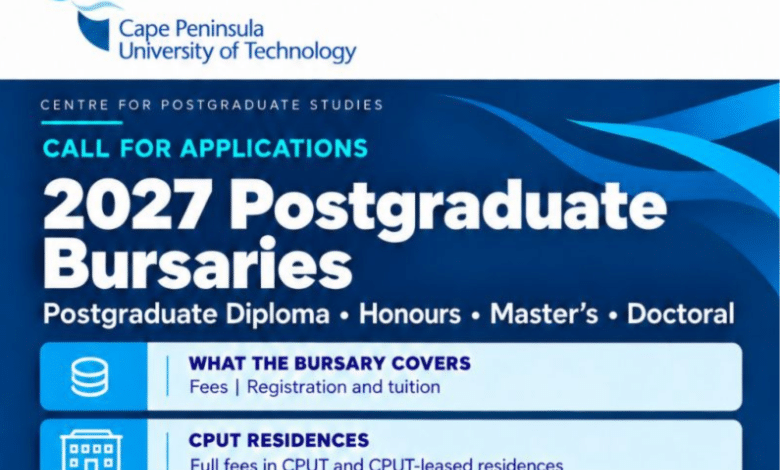
While the benefits of international student mobility are clear, the financial aspect can be a barrier for many students. Fortunately, there are numerous financial aid packages, merit-based scholarships, and fully funded scholarships available to support students in their international pursuits. These funding opportunities can make international mobility more accessible and affordable.
Students should explore various scholarship options, including those offered by universities, governments, and private organizations. Many scholarships are specifically designed to support international study and exchange programs, providing financial assistance for tuition, travel, and living expenses.
Hybrid Learning Formats and Academic Mobility
In recent years, hybrid learning formats have emerged as a flexible and innovative approach to education. These formats combine traditional classroom learning with online and virtual components, allowing students to gain international experiences without leaving their home country. Hybrid learning can include virtual student exchange programs, blended education programs, and online courses with international collaboration.
Hybrid learning formats offer several advantages, including increased accessibility, flexibility, and cost-effectiveness. Students can participate in international academic mobility programs without the financial and logistical challenges of physical relocation. This makes international education more accessible to a broader range of students.
However, while hybrid learning formats provide valuable international experiences, they may not fully replicate the immersive cultural experience of studying abroad. Students should consider their personal and academic goals when choosing between traditional study abroad programs and hybrid learning formats.
In conclusion, international student mobility offers a wealth of benefits, including cultural immersion and career development opportunities. With the support of financial aid packages and hybrid learning formats, more students can access these transformative experiences. As the world becomes increasingly globalized, the value of international mobility in education will only continue to grow.