
The Rise of Regional Education Hubs: How Affordable Study Destinations Are Redrawing the Global Learning Map
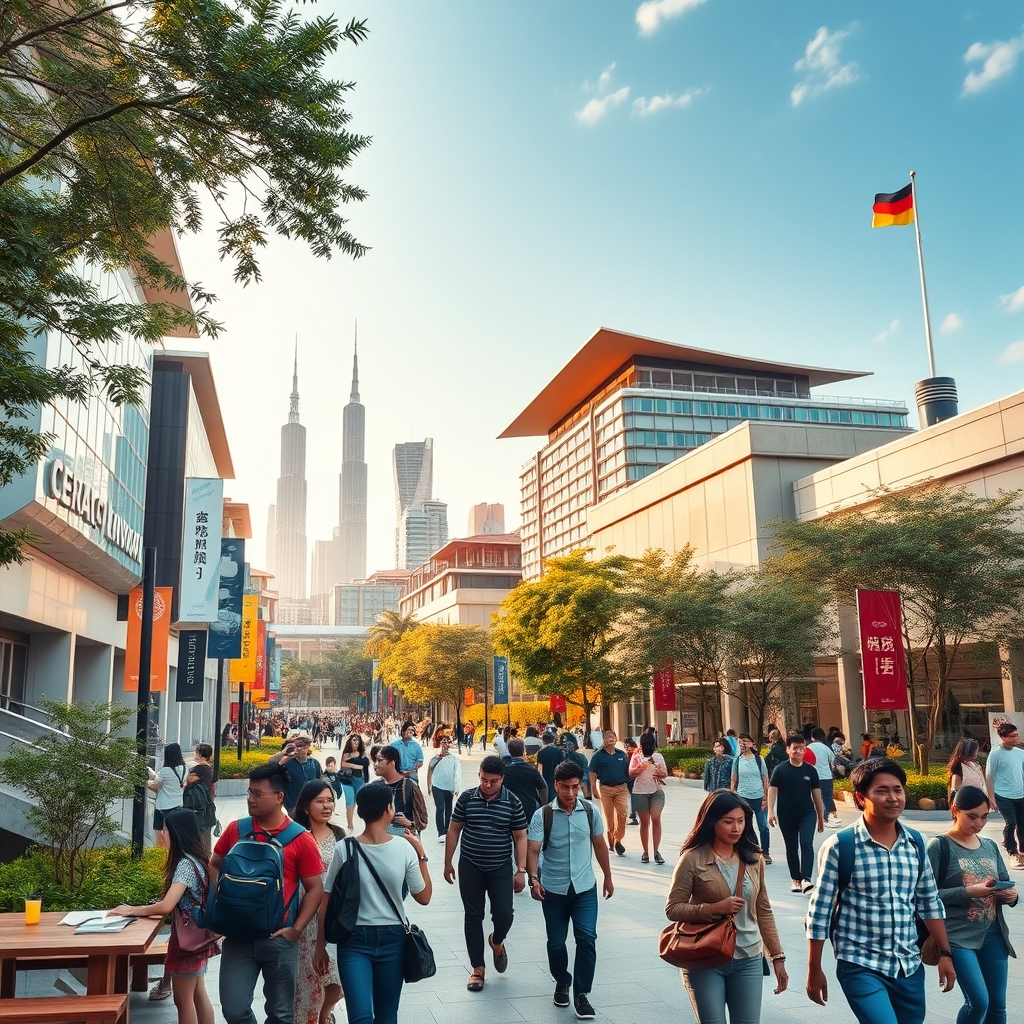
In an era where the pursuit of overseas higher education is no longer confined to traditional powerhouses like the U.S., U.K., or Australia, a new trend is emerging: the rise of regional education hubs. These hubs—strategically located in countries offering high-quality, affordable study destinations—are transforming the landscape of international student mobility. From Malaysia’s bustling campuses to Germany’s tuition-free universities, students are increasingly looking beyond the usual suspects to fulfill their academic and career aspirations. But what exactly makes these hubs so appealing, and how are they reshaping the future of global education?
The Shift Toward Affordability and Accessibility
For decades, the dream of studying abroad was often synonymous with hefty tuition fees, exorbitant living costs, and the daunting prospect of student debt. However, as the demand for foreign degree programs grows, so does the need for more accessible alternatives. Regional education hubs have stepped into this gap, offering world-class education at a fraction of the cost. Countries like Canada, Ireland, and New Zealand, for instance, have become hotspots for students seeking quality education without the financial strain. Meanwhile, nations such as Malaysia and Singapore are leveraging their strategic locations to attract students from across Asia and beyond, positioning themselves as gateways to both local and global opportunities.
The affordability factor extends beyond tuition fees. Many of these hubs offer lower living costs, scholarships, and post-study work visa options that make them even more attractive. For example, Germany’s decision to abolish tuition fees for international students at public universities has made it a magnet for those pursuing skill-based degrees abroad. Similarly, countries like Portugal and Poland are gaining traction for their low-cost, high-quality education systems, coupled with vibrant cultural experiences. These shifts are not just about saving money—they’re about democratizing access to global career pathways for students from diverse economic backgrounds.
Cultural Diversity and Cross-Cultural Education
One of the most compelling aspects of regional education hubs is their ability to foster cross-cultural education. Unlike traditional study abroad destinations, which often attract a homogeneous student population, these hubs are melting pots of cultures, languages, and perspectives. Students who choose to study in places like Dubai, South Korea, or the Netherlands find themselves immersed in environments where diversity is the norm, not the exception. This exposure to different ways of thinking and living is invaluable in today’s interconnected world, where global competence is as critical as academic knowledge.
Moreover, many of these hubs are home to international branch campuses of prestigious universities. Institutions like New York University’s campus in Abu Dhabi or Monash University’s presence in Malaysia offer students the chance to earn a foreign degree while experiencing a unique blend of local and global influences. These campuses are not just satellites of their parent institutions—they are dynamic spaces where curricula are adapted to reflect regional contexts, ensuring that students gain both a global and local perspective. This hybrid model of education is redefining what it means to study abroad, making it more inclusive and adaptable to the needs of a diverse student body.
The Role of Language Proficiency and Student Visa Regulations
While affordability and cultural diversity are major draws, the ease of navigating student visa regulations and language proficiency requirements also plays a crucial role in the popularity of regional education hubs. Countries like Canada and Australia have streamlined their visa processes to attract international students, offering clear pathways to post-study work visas and permanent residency. In contrast, traditional destinations like the U.S. have become increasingly complex to navigate, with stringent visa policies and uncertain outcomes for students seeking to stay after graduation.
Language proficiency certification, too, is a key consideration. While English remains the dominant language of instruction in many hubs, countries like Germany, France, and China are offering programs in their native languages, often with free or low-cost language courses for international students. This not only makes education more accessible but also opens doors to local job markets, where bilingual or multilingual skills are highly valued. For students, this means greater flexibility in choosing where to study and how to build their global career pathways.
Global Scholar Fellowships and Skill-Based Degrees
Another factor driving the growth of regional education hubs is the increasing availability of global scholar fellowships and skill-based degrees. Many governments and institutions in these hubs are actively investing in scholarships and grants to attract top talent. For instance, the Chinese government’s Belt and Road Initiative includes scholarships for students from participating countries, while countries like Norway and Finland offer tuition-free education to international students, further lowering the barriers to entry.
Skill-based degrees, particularly in fields like technology, engineering, and healthcare, are also gaining prominence in these hubs. Countries like India, with its robust IT sector, and Singapore, with its focus on innovation and research, are becoming go-to destinations for students looking to gain practical, industry-relevant skills. These programs often include internships, industry collaborations, and hands-on training, ensuring that graduates are not just academically qualified but also job-ready in a competitive global market.
The Future of International Student Enrolment
As regional education hubs continue to evolve, they are poised to play an even larger role in the future of international student enrolment. The COVID-19 pandemic accelerated this shift, as travel restrictions and health concerns prompted students to explore closer-to-home options. Even as the world reopens, the appeal of these hubs remains strong, driven by their affordability, accessibility, and adaptability to the changing needs of students.
For study abroad consultants and education providers, this trend presents both challenges and opportunities. On one hand, it requires a deeper understanding of the unique selling points of these hubs—whether it’s their cost-effectiveness, cultural diversity, or career prospects. On the other hand, it offers the chance to redefine what it means to provide borderless learning opportunities, ensuring that students have access to the best possible education, regardless of where they choose to study.
The global education landscape is no longer a one-size-fits-all model. As students increasingly seek out destinations that offer not just academic excellence but also affordability, cultural richness, and career opportunities, regional education hubs are stepping up to meet these demands. They are not just alternatives to traditional study abroad destinations—they are the future of international education, offering a more inclusive, diverse, and dynamic path to global learning and career success. The question is no longer whether students will look beyond the usual choices, but how far they are willing to go to find the right fit for their ambitions.