The New Era of Academic Mobility: How Financial Aid and Hybrid Learning Are Creating Global Opportunities for Students
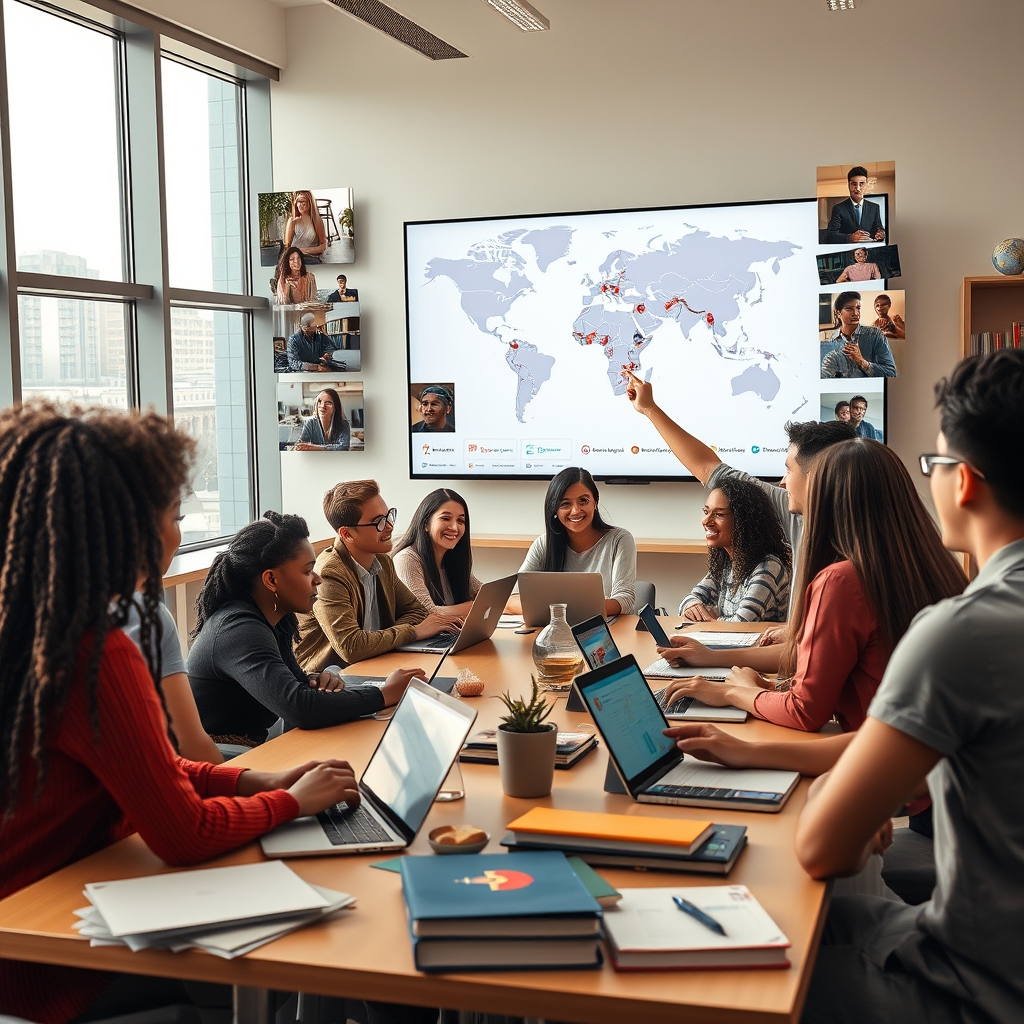
In an increasingly interconnected world, the traditional boundaries of education are dissolving. Students no longer need to be confined to their local institutions or even their home countries to access world-class learning experiences. The rise of academic mobility has opened doors to global undergraduate exchange programs, fully funded scholarships, and hybrid learning formats that blend the best of in-person and virtual education. These innovations are not just transforming how students learn—they are reshaping who gets to participate in the global academic conversation.
The Power of Fully Funded Scholarships in Expanding Access
For many students, the dream of studying abroad remains just that—a dream—due to financial constraints. However, fully funded scholarships and higher education grants are changing the game by removing economic barriers. Programs like the Global Undergraduate Exchange and merit-based scholarships provide not only tuition coverage but also stipends for living expenses, travel, and even cultural immersion activities. These opportunities are particularly impactful for students from underrepresented regions, ensuring that talent, rather than financial means, determines who can participate in global education.
Beyond financial support, these scholarships often include mentorship, language training, and career development opportunities, equipping students with the tools they need to thrive in an international academic environment. The result? A more diverse and dynamic global student body that enriches classroom discussions and fosters cross-cultural communication.
Hybrid Learning: The Best of Both Worlds
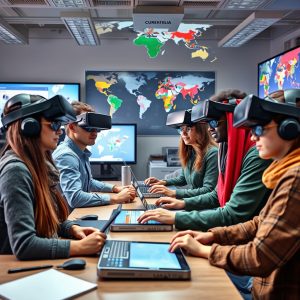
The COVID-19 pandemic accelerated the adoption of virtual student exchange and blended education programs, proving that learning doesn’t have to be confined to a physical classroom. Today, hybrid learning formats are a permanent fixture in academic mobility, offering flexibility without sacrificing quality. Students can now engage in coursework from top universities worldwide while still benefiting from in-person experiences like lab work, internships, or cultural exchanges.
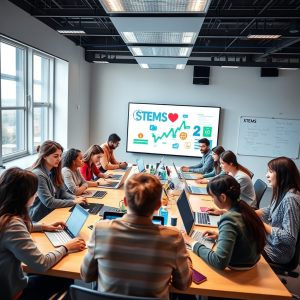
This model is particularly advantageous for STEM students, who often require hands-on training but can complete theoretical components online. Programs like Global STEM Changemakers leverage hybrid learning to connect students with research opportunities, industry leaders, and peers across borders. The ability to balance virtual and in-person learning also makes education more sustainable, reducing the carbon footprint associated with traditional study-abroad models.
Cultural Immersion Without Borders
One of the most transformative aspects of academic mobility is the opportunity for cultural immersion. Whether through a semester abroad, a virtual exchange, or a blended program, students gain firsthand experience navigating different social norms, languages, and perspectives. These experiences are invaluable in developing cross-cultural communication skills, which are increasingly essential in today’s globalized workforce.
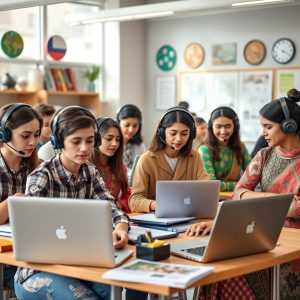
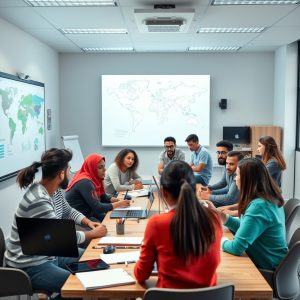
For example, a student from Brazil participating in a student exchange program in Germany might attend lectures in English, collaborate on projects with peers from India and South Africa, and live with a host family. Meanwhile, a student in Kenya engaging in a virtual student exchange could take a course from a professor in Canada while working on a group project with classmates from Japan and Mexico. These interactions build empathy, adaptability, and a global mindset—qualities that employers value highly.
Postgraduate Funding and Career Development
While undergraduate opportunities often dominate discussions about academic mobility, postgraduate funding is equally critical in shaping the next generation of leaders. Academic fellowships and research grants enable students to pursue advanced degrees, conduct fieldwork, or collaborate with international experts in their fields. These opportunities are especially important for students in disciplines like public health, environmental science, and engineering, where global collaboration is key to addressing pressing challenges.
Moreover, many scholarships and exchange programs now include career development opportunities, such as internships, networking events, and alumni mentorship. These resources help students translate their international experiences into tangible career advantages, whether they return to their home countries or pursue opportunities abroad. For instance, a student who participates in a Global Undergraduate Exchange might later secure a fellowship to complete a master’s degree, followed by a role at a multinational corporation or an international NGO.
Sustainability in Global Education
As academic mobility continues to grow, so does the need for educational sustainability. Traditional study-abroad programs often involve significant travel, which can have a high environmental cost. Hybrid learning models offer a more sustainable alternative by reducing the need for long-distance travel while still providing rich cultural and academic experiences. Additionally, many institutions are adopting carbon-offset programs and encouraging students to engage in local sustainability initiatives as part of their exchange experiences.
Financial sustainability is also a consideration. While fully funded scholarships and financial aid packages make education more accessible, institutions and governments must continue to invest in these programs to ensure they remain viable. Public-private partnerships, endowments, and crowdfunding are just a few ways to secure long-term funding for academic mobility initiatives.
The landscape of global education is evolving at an unprecedented pace, driven by innovations in funding, technology, and pedagogy. What was once a privilege reserved for the few is now becoming an accessible reality for students from all walks of life. As hybrid learning formats and international scholarships continue to break down barriers, the next generation of learners will be more diverse, more connected, and better equipped to tackle the challenges of a rapidly changing world. The question is no longer whether students can afford to participate in global education, but how we can ensure that every student has the opportunity to do so—and to thrive in the process.