Empowering Minds: The Role of Personalized Learning Paths in Achieving Equitable Access to Education

In an era where education is increasingly recognized as a fundamental human right, the quest for equitable access remains a global challenge. While traditional classroom models have served generations, they often struggle to accommodate the diverse needs of learners, particularly those from marginalized or underserved communities. Personalized learning paths emerge as a transformative solution, offering a dynamic approach to education that aligns with the principles of inclusive education and the Sustainable Development Goals (SDGs), particularly SDG 4, which aims to ensure inclusive and equitable quality education for all.
The Evolution of Student-Centered Learning
Student-centered learning has long been championed as a way to shift the focus from rigid curriculum standardization to the unique needs of individual learners. Unlike conventional methods that prioritize uniformity, personalized learning paths recognize that students possess varying strengths, weaknesses, learning styles, and paces. This approach leverages innovative teaching methods, such as adaptive learning technologies and differentiated instruction, to create a more engaging and effective educational experience. By placing the learner at the heart of the process, educators can foster a sense of ownership and motivation, which is critical for lifelong learning opportunities.
Technology as an Enabler of Personalization
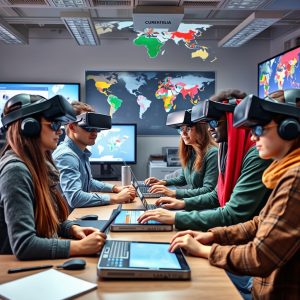
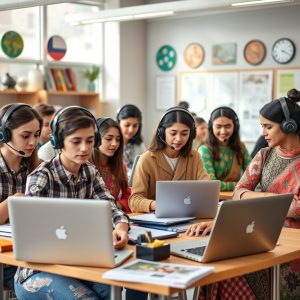
The rise of smart classroom technology has been instrumental in making personalized learning paths a reality. Tools such as artificial intelligence (AI)-driven platforms, interactive digital content, and data analytics enable educators to tailor instruction to the specific needs of each student. For instance, AI-powered learning management systems can analyze a student’s performance in real-time, identifying areas where they struggle and suggesting targeted resources or activities to address those gaps. This not only enhances academic outcomes but also promotes digital literacy, a skill that is increasingly vital in today’s technology-driven world.
Moreover, these technologies can bridge geographical and socio-economic divides, providing equitable access to high-quality educational resources. Students in remote or underfunded schools can benefit from the same personalized learning experiences as their peers in more affluent areas, leveling the playing field and reducing disparities in educational outcomes. However, the successful implementation of such technologies requires modern infrastructure development, including reliable internet connectivity and access to devices, which remains a hurdle in many regions.
Addressing Challenges in Implementation
While the potential of personalized learning paths is immense, their implementation is not without challenges. One of the primary concerns is the need for robust teacher professional development. Educators must be equipped with the skills and knowledge to effectively integrate technology into their teaching practices and to design personalized learning experiences that meet the needs of all students. This requires ongoing training and support, as well as a shift in mindset from traditional teaching methods to more flexible, student-centered approaches.
Curriculum Standardization vs. Flexibility
Another challenge lies in balancing curriculum standardization with the flexibility required for personalized learning. While standardized curricula ensure consistency and quality assurance in education, they can also stifle creativity and limit the ability of educators to adapt to the unique needs of their students. To address this, educational systems must strike a balance, allowing for a core set of standards while providing the flexibility to tailor learning experiences to individual students. This approach not only supports academic integrity but also fosters global competency skills, such as critical thinking, collaboration, and adaptability.
Resource Allocation and Equity
Educational resource allocation is another critical factor in the successful implementation of personalized learning paths. Schools and educational institutions must invest in the necessary tools, technologies, and training to support this approach. However, resource disparities between schools, particularly those in low-income or rural areas, can exacerbate existing inequalities. To achieve equitable access, policymakers and educational leaders must prioritize funding and support for underserved communities, ensuring that all students have the opportunity to benefit from personalized learning.
The Impact on Early Childhood Education and Beyond
Personalized learning paths are not limited to older students; they also hold significant promise for early childhood education. Young learners, in particular, benefit from approaches that cater to their developmental stages and individual interests. By incorporating socioemotional learning programs and play-based learning, educators can create a nurturing environment that fosters both cognitive and emotional growth. This early foundation is crucial for building the skills and confidence needed for lifelong learning.
For older students, personalized learning paths can support STEM education initiatives by providing hands-on, inquiry-based learning experiences that align with their interests and career aspirations. For example, a student interested in engineering can engage in project-based learning that allows them to explore real-world problems and develop solutions. This not only enhances their understanding of STEM concepts but also prepares them for future careers in these fields.
Assessment and Quality Assurance
As personalized learning paths become more widespread, the role of educational assessment tools must evolve to reflect this shift. Traditional standardized tests may not capture the full range of a student’s abilities or growth, particularly in areas such as creativity, collaboration, and socioemotional skills. Alternative assessment methods, such as portfolios, project-based evaluations, and self-assessments, can provide a more holistic view of student learning. These tools not only support quality assurance in education but also empower students to take an active role in their own learning journey.
Personalized learning paths represent a powerful step toward achieving equitable access to education, but their success depends on a collective effort. Educators, policymakers, and communities must work together to address the challenges of implementation, from teacher professional development to resource allocation. By embracing innovative teaching methods and leveraging technology, we can create a more inclusive and dynamic educational landscape that prepares all learners for the demands of the 21st century. The journey toward equitable education is not without its obstacles, but with commitment and collaboration, it is a goal within reach, one that holds the promise of unlocking the potential of every student, regardless of their background or circumstances.