The Gateway to Global Excellence: How Hybrid Learning and Scholarships Are Redefining Career Development for International Students
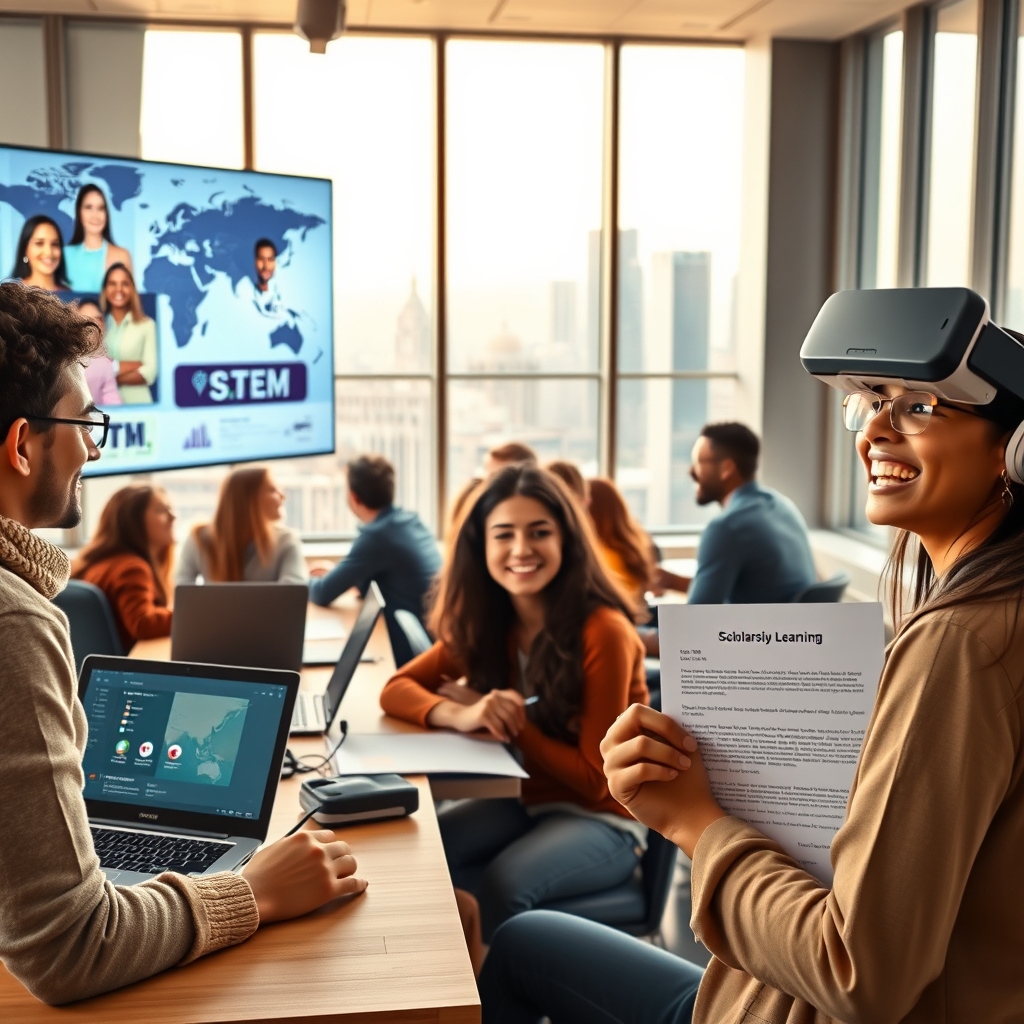
The modern educational landscape is no longer confined by geographical boundaries. With the rise of hybrid learning formats and the increasing availability of international scholarships, students worldwide are gaining unprecedented access to global academic opportunities. These advancements are not just reshaping how education is delivered but are also redefining career development for the next generation of professionals. The fusion of technology and traditional learning environments is creating a dynamic ecosystem where students can thrive, regardless of their physical location.
The Rise of Hybrid Learning in Global Education
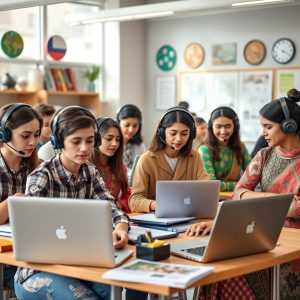
Hybrid learning, a blend of in-person and online education, has emerged as a cornerstone of modern academic mobility. This format offers flexibility, allowing students to balance their studies with personal and professional commitments. For international students, hybrid learning eliminates many of the barriers associated with relocating to a foreign country, such as visa restrictions, high living costs, and cultural adjustments. Instead, students can engage with course materials, participate in discussions, and collaborate on projects from anywhere in the world, all while benefiting from the structure and support of a traditional classroom setting.
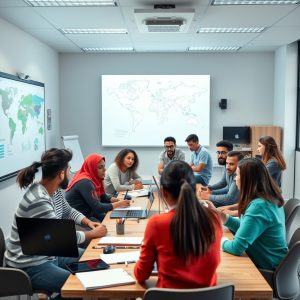
Institutions are increasingly adopting hybrid models to cater to a diverse student body. For example, universities in the U.S., U.K., and Australia now offer hybrid programs that combine online coursework with short-term residencies or immersive on-campus experiences. This approach not only makes education more accessible but also fosters cross-cultural communication by bringing together students from different backgrounds in a shared learning environment. The result is a richer, more inclusive educational experience that prepares students for the global workforce.
Scholarships as Catalysts for Career Growth
While hybrid learning opens doors to education, scholarships provide the financial support necessary to walk through them. Fully funded scholarships, merit-based awards, and higher education grants are playing a pivotal role in democratizing access to global education. Programs like the Fulbright Scholarship, Chevening Scholarship, and the Global Undergraduate Exchange Program (Global UGRAD) offer students the opportunity to study abroad without the burden of financial constraints. These scholarships often cover tuition, living expenses, travel costs, and even provide stipends for research or professional development.
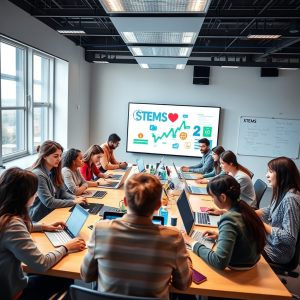
The impact of these scholarships extends far beyond financial relief. They serve as a launchpad for career development, offering recipients access to networks, mentorship, and internships that can shape their professional trajectories. For instance, students who participate in the Global STEM Changemakers initiative through scholarships gain hands-on experience in their fields, collaborate with industry leaders, and develop skills that are highly valued in the global job market. Moreover, the prestige associated with these scholarships enhances a student’s resume, making them more competitive in an increasingly globalized workforce.
The Role of Virtual Student Exchange in Cultural Immersion
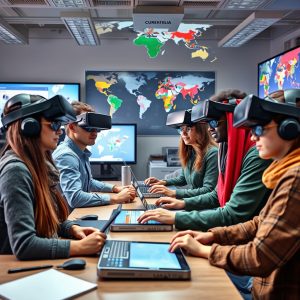
Cultural immersion has long been a hallmark of studying abroad, but the advent of virtual student exchange programs is making this experience more accessible than ever. These programs allow students to engage with peers from different countries, participate in cross-cultural projects, and gain insights into diverse perspectives—all without leaving their home country. Virtual exchange initiatives, such as those offered by the Stevens Initiative and the U.S. Department of State, are designed to foster global citizenship by connecting students through collaborative online platforms.
For students pursuing careers in STEM, virtual exchange programs offer unique opportunities to work on international research projects, attend global conferences, and develop a deeper understanding of how cultural contexts influence scientific innovation. These experiences not only enhance academic growth but also cultivate soft skills like adaptability, empathy, and cross-cultural communication—qualities that are essential for success in today’s interconnected world. By participating in virtual exchanges, students can build a global network that will support their career development long after their studies are complete.
Blended Education Programs: The Best of Both Worlds
Blended education programs take hybrid learning a step further by integrating online and in-person experiences in a way that maximizes the benefits of both. These programs often include online coursework complemented by short-term study abroad opportunities, internships, or fieldwork. For example, a student might complete the majority of their coursework online but spend a semester abroad working on a research project or interning with a local company. This model allows students to gain international experience while maintaining the flexibility of online learning.
Blended programs are particularly valuable for students who may not have the resources or time to commit to a full degree program abroad. They offer a taste of global education without the long-term commitment, making them an attractive option for those looking to enhance their resumes and broaden their horizons. Additionally, these programs often include components focused on career development, such as resume workshops, interview preparation, and networking events, which help students translate their academic experiences into professional opportunities.
The Future of Academic Mobility and Career Development
The convergence of hybrid learning, scholarships, and virtual exchange programs is creating a new paradigm for academic mobility. Students are no longer limited by their location or financial circumstances; instead, they can tailor their educational experiences to align with their career goals. This shift is particularly significant for students from underrepresented backgrounds, who may have previously faced barriers to studying abroad. By leveraging these opportunities, they can gain the skills, experiences, and networks needed to compete in the global job market.
As institutions continue to innovate, the possibilities for career development through global education will only expand. Emerging technologies like artificial intelligence, virtual reality, and blockchain are poised to further enhance the hybrid learning experience, making it even more immersive and interactive. Meanwhile, scholarship providers are increasingly focusing on sustainability, ensuring that financial aid packages support not just individual students but also the broader goal of creating a more equitable and inclusive global education system.
The journey toward global excellence is no longer a distant dream but a tangible reality for students around the world. By embracing hybrid learning formats and seizing the opportunities presented by international scholarships, they are not just earning degrees—they are building the foundation for lifelong success in an interconnected world. The skills they acquire, the networks they build, and the perspectives they gain will shape not only their careers but also the future of global innovation and collaboration.