From Virtual Classrooms to Global Campuses: The Rise of Hybrid Learning and Scholarships in Academic Mobility

The landscape of higher education is undergoing a profound transformation, driven by technological advancements and an increasing demand for global connectivity. At the intersection of innovation and accessibility, hybrid learning formats and international scholarships are redefining what it means to pursue academic excellence across borders. These developments are not merely trends but pivotal shifts that are democratizing education and fostering a new era of academic mobility.
The Evolution of Hybrid Learning Formats
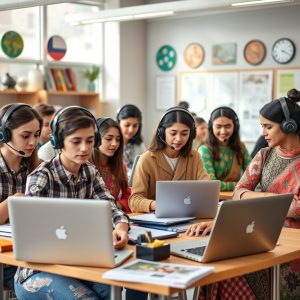
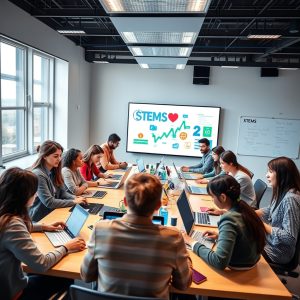
Hybrid learning, a blend of in-person and virtual education, has emerged as a cornerstone of modern pedagogy. This format leverages digital platforms to create flexible, inclusive, and dynamic learning environments that cater to diverse student needs. For instance, a student in Nairobi can attend a lecture at a university in Tokyo via a live-streamed session while collaborating with peers in Berlin on a group project through an online workspace. The adaptability of hybrid learning ensures that geographical barriers no longer limit educational opportunities, making it a game-changer for students in remote or underserved regions.
Moreover, hybrid learning formats are not just about convenience; they are about enhancing the quality of education. Interactive tools such as virtual labs, AI-driven tutoring, and immersive simulations allow students to engage with complex subjects in ways that traditional classrooms often cannot. For example, medical students can practice surgical techniques using virtual reality, while engineering students can simulate real-world problem-solving scenarios. These innovations are equipping learners with skills that are directly applicable to the global workforce, bridging the gap between academia and industry.
The Role of International Scholarships in Academic Mobility
While hybrid learning breaks down digital divides, international scholarships dismantle financial barriers that often hinder academic mobility. Fully funded scholarships and higher education grants are empowering students from diverse backgrounds to pursue their academic dreams without the burden of crippling debt. Programs like the Global Undergraduate Exchange and merit-based scholarships offered by institutions worldwide are not only providing financial aid but also fostering cross-cultural communication and cultural immersion.
These scholarships often come with additional benefits, such as career development opportunities, mentorship programs, and networking events. For example, recipients of the Fulbright Program gain access to a global community of scholars, researchers, and professionals, which can be instrumental in shaping their future careers. Similarly, postgraduate funding opportunities enable students to pursue advanced degrees in specialized fields, further enhancing their expertise and global competitiveness.
Cultural Immersion and Cross-Cultural Communication
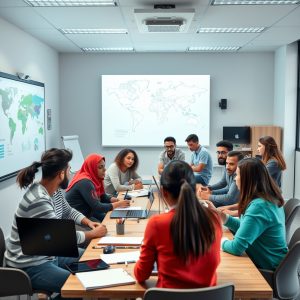
One of the most transformative aspects of studying abroad or participating in student exchange programs is the opportunity for cultural immersion. Living and studying in a foreign country exposes students to new perspectives, traditions, and ways of thinking, which are invaluable in today’s interconnected world. Cross-cultural communication skills, developed through these experiences, are highly sought after by employers who operate in global markets.
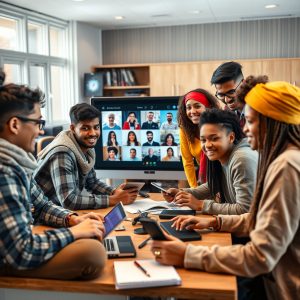
Programs like the Virtual Student Exchange are also making cultural immersion accessible to those who may not have the means to travel. Through digital platforms, students can engage in collaborative projects, language exchanges, and cultural workshops with peers from around the world. These interactions foster mutual understanding and respect, laying the foundation for a more inclusive and empathetic global society.
Educational Sustainability and the Future of Academic Mobility
As the world grapples with challenges such as climate change and economic instability, educational sustainability has become a critical consideration. Hybrid learning formats and blended education programs are inherently sustainable, as they reduce the need for physical infrastructure and minimize the carbon footprint associated with international travel. Additionally, scholarships that prioritize sustainability initiatives, such as those focused on renewable energy or environmental conservation, are aligning academic pursuits with global efforts to create a more sustainable future.
Institutions are also adopting policies that promote long-term academic mobility, such as credit transfer agreements and joint degree programs. These initiatives ensure that students can seamlessly transition between institutions and countries, maximizing the value of their educational experiences. For instance, a student might begin their degree in Canada, complete a semester in Germany through a student exchange program, and finish their studies in Australia, all while earning a globally recognized qualification.
Career Development Opportunities in a Globalized World
The benefits of hybrid learning and international scholarships extend far beyond the classroom. These experiences are catalysts for career development, providing students with the skills, networks, and confidence needed to thrive in a globalized economy. Employers increasingly value candidates who demonstrate adaptability, cultural awareness, and a global mindset—qualities that are cultivated through academic mobility.
Financial aid packages and academic fellowships often include internships, research opportunities, and industry placements, which allow students to gain practical experience in their fields. For example, a student pursuing a degree in international business might secure an internship with a multinational corporation, while a STEM student could participate in a research project at a leading global institution. These opportunities not only enhance resumes but also provide a competitive edge in the job market.
The fusion of hybrid learning and international scholarships is not just reshaping education; it is redefining the possibilities for students worldwide. By breaking down barriers—whether financial, geographical, or cultural—these innovations are creating a more equitable and interconnected academic landscape. As technology continues to evolve and global collaboration becomes the norm, the future of education lies in its ability to adapt, include, and inspire. The journey from virtual classrooms to global campuses is not just about acquiring knowledge; it is about embracing the world as a boundless classroom, where every experience is an opportunity to learn, grow, and connect.