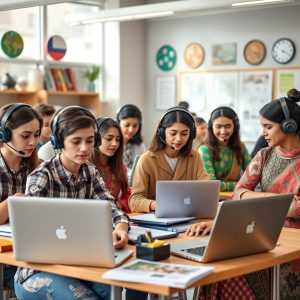
The Heart of Learning: How Socioemotional Learning Programs and Academic Integrity Shape Future-Ready Students
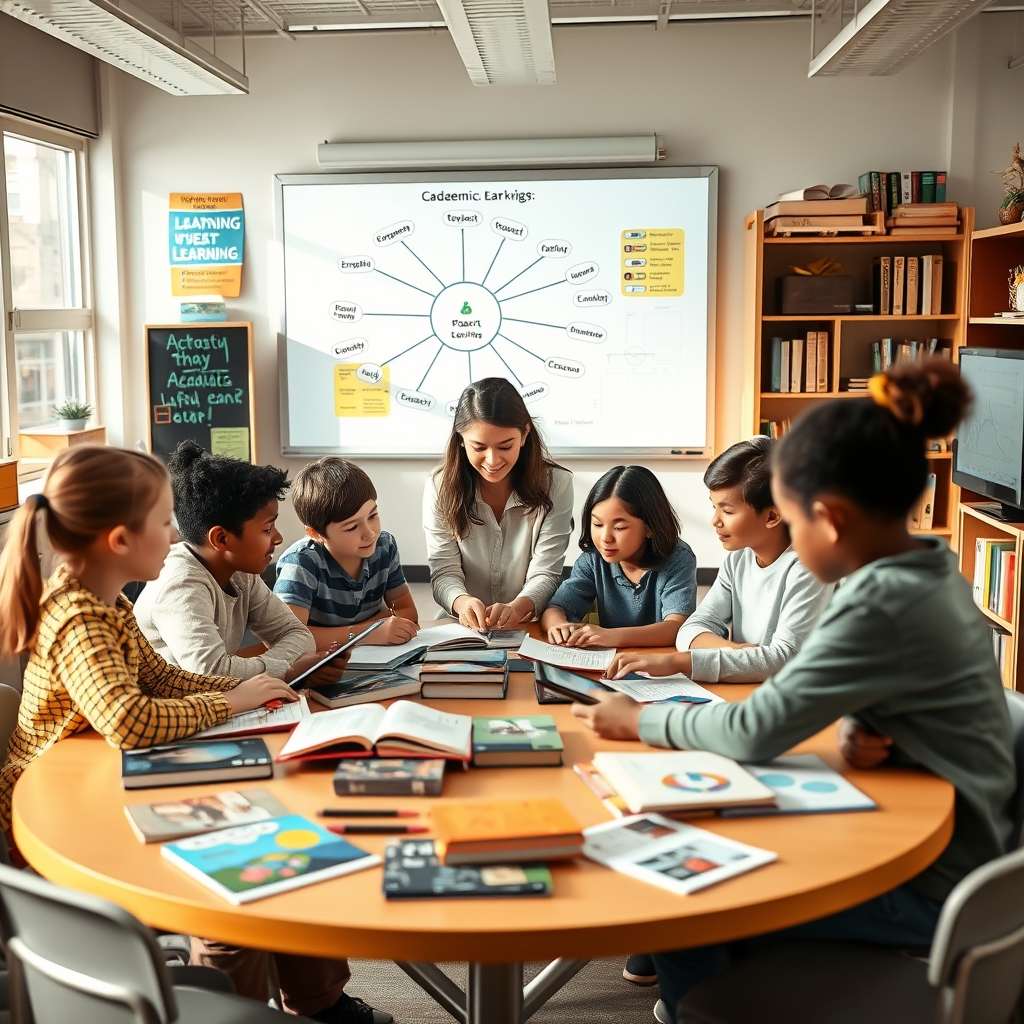
In an era where education is rapidly evolving to meet the demands of a complex, interconnected world, the focus is shifting beyond traditional academic achievement. Schools are no longer just centers for imparting knowledge; they are becoming nurturing grounds for emotional resilience, ethical decision-making, and interpersonal skills. At the intersection of these priorities lie socioemotional learning (SEL) programs and academic integrity, two pillars that are redefining what it means to prepare students for the future. Together, they create a foundation for learning that is not only intellectually rigorous but also emotionally intelligent and morally grounded.
The Rise of Socioemotional Learning in Modern Education
Socioemotional learning is not a new concept, but its integration into mainstream education has gained unprecedented momentum in recent years. SEL programs are designed to help students develop self-awareness, self-management, social awareness, relationship skills, and responsible decision-making. These competencies are not just supplementary; they are essential for navigating the challenges of the 21st century, from workplace collaboration to personal well-being.
Research has consistently shown that students who participate in SEL programs demonstrate improved academic performance, better classroom behavior, and reduced emotional distress. For instance, a meta-analysis conducted by the Collaborative for Academic, Social, and Emotional Learning (CASEL) found that SEL interventions increased students’ academic achievement by an average of 11 percentile points. This is not merely a correlation; it reflects how emotional regulation and social skills directly enhance cognitive functions such as attention, memory, and problem-solving.
SEL and the Sustainable Development Goals
The global education agenda, as outlined in the Sustainable Development Goals (SDGs), particularly SDG 4 (Quality Education), emphasizes the need for inclusive and equitable learning opportunities that promote lifelong learning. SEL aligns perfectly with this goal by fostering environments where all students, regardless of their background, can thrive. In classrooms where SEL is prioritized, students from diverse socio-economic, cultural, and linguistic backgrounds feel seen, heard, and valued. This sense of belonging is a critical component of equitable access to education, as it reduces disparities in engagement and achievement.
Academic Integrity: The Ethical Backbone of Education
While SEL addresses the emotional and social dimensions of learning, academic integrity ensures that the pursuit of knowledge remains ethical and honest. In an age where information is abundant and digital tools make plagiarism easier than ever, instilling a culture of integrity is both a challenge and a necessity. Academic integrity is not just about avoiding cheating; it is about cultivating a mindset that values originality, critical thinking, and respect for intellectual property.
Schools that prioritize academic integrity go beyond punitive measures. They create environments where students understand the value of their own ideas and the importance of crediting others. This is particularly crucial in STEM education initiatives, where collaboration and innovation are key. When students learn to navigate the ethical complexities of research, data sharing, and idea generation, they develop global competency skills that are essential for success in higher education and the workforce.
The Role of Teachers in Upholding Integrity
Teachers play a pivotal role in modeling and reinforcing academic integrity. Through innovative teaching methods, such as project-based learning and peer review, educators can create opportunities for students to engage with content ethically. For example, assignments that require students to reflect on their research process, cite sources properly, and present original analyses help them internalize the principles of integrity. Additionally, teacher professional development programs that focus on ethical education equip educators with the tools to address issues like plagiarism and academic dishonesty proactively.
Bridging SEL and Academic Integrity: A Holistic Approach
The synergy between socioemotional learning and academic integrity is where the true transformation in education occurs. SEL provides the emotional and social scaffolding that enables students to engage with academic content in meaningful ways, while academic integrity ensures that this engagement is rooted in honesty and respect. Together, they create a learning environment where students are not only prepared for exams but also for life.
Consider a classroom where students are taught to manage their emotions, resolve conflicts, and work collaboratively. In such an environment, the temptation to cheat or plagiarize diminishes because students understand the value of their own contributions and the importance of fairness. Similarly, when academic integrity is emphasized, students are more likely to take pride in their work, fostering a sense of self-efficacy that aligns with SEL goals.
Personalized Learning Paths and Ethical Engagement
The rise of personalized learning paths offers a unique opportunity to integrate SEL and academic integrity. Personalized learning allows students to progress at their own pace, explore topics of interest, and receive tailored feedback. However, this individualized approach also requires a strong ethical framework to ensure that students do not misuse flexibility to cut corners. By embedding SEL principles into personalized learning, educators can guide students to take ownership of their learning journey while adhering to ethical standards.
Challenges and Opportunities in Implementation
Despite the clear benefits, integrating SEL and academic integrity into education systems is not without challenges. One of the primary obstacles is curriculum standardization. Many education systems are designed around standardized tests and rigid curricula, leaving little room for the flexible, student-centered approaches that SEL and integrity-focused education require. To overcome this, schools must advocate for policies that prioritize holistic development alongside academic achievement.
Another challenge is educational resource allocation. Implementing SEL programs and integrity initiatives often requires additional training for teachers, updated materials, and ongoing support. Schools in under-resourced communities may struggle to provide these, exacerbating existing inequities. However, this challenge also presents an opportunity for innovation. Digital tools, such as smart classroom technology and online SEL platforms, can help bridge the gap by providing scalable, cost-effective solutions for schools with limited resources.
As education continues to evolve, the integration of socioemotional learning and academic integrity will be key to preparing students for a world that demands both emotional intelligence and ethical fortitude. These pillars do more than enhance academic performance; they shape individuals who are resilient, empathetic, and principled. By fostering environments where students feel emotionally supported and ethically guided, we are not just educating minds—we are nurturing the hearts and souls of the next generation. In doing so, we move closer to a future where education is not just about what students know, but who they become.