The Power of Hybrid Learning: Unlocking Global Opportunities Through Student Exchange and Financial Aid
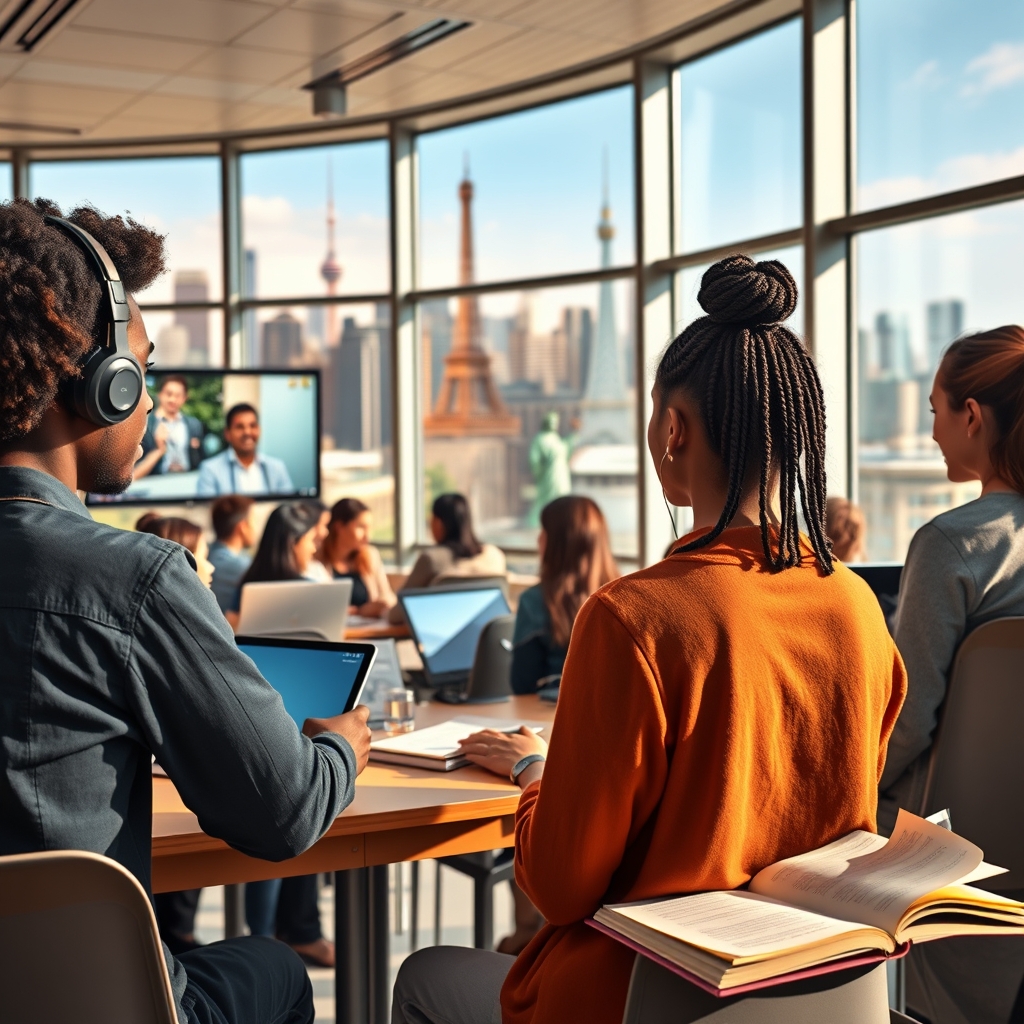
In an increasingly interconnected world, the boundaries of education are expanding beyond traditional classrooms. Students today have unprecedented access to global learning experiences, thanks to the rise of hybrid learning formats and robust financial aid packages. These innovations are not just reshaping how education is delivered but are also democratizing access to international opportunities, making academic mobility a reality for students from diverse backgrounds.
The Rise of Hybrid Learning in Global Education
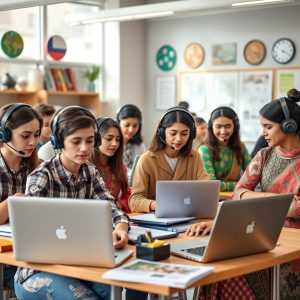
Hybrid learning, a blend of in-person and virtual education, has emerged as a game-changer in the realm of international education. This format allows students to engage in coursework, collaborate with peers, and participate in cultural exchanges without the constraints of geographical limitations. For instance, a student in Nairobi can now enroll in a course offered by a university in Tokyo, attend virtual lectures, and later travel for an immersive on-campus experience. This flexibility is particularly valuable for those who may not have the resources to relocate permanently but still seek the benefits of global education.
Moreover, hybrid learning formats have proven to be resilient in the face of disruptions, such as the COVID-19 pandemic, which highlighted the need for adaptable educational models. Universities and institutions worldwide have embraced this approach, integrating digital tools and platforms to create seamless learning experiences that transcend borders. The result is a more inclusive and accessible education system that caters to the needs of a global student body.
Student Exchange Programs: A Gateway to Cross-Cultural Growth
Student exchange programs have long been a cornerstone of international education, offering students the chance to live, study, and immerse themselves in a new culture. These programs foster cross-cultural communication, enhance language skills, and broaden perspectives—qualities that are invaluable in today’s globalized workforce. However, the traditional model of exchange programs often came with financial barriers, limiting participation to those who could afford the associated costs.
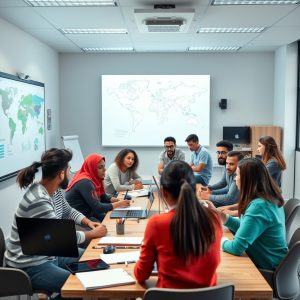
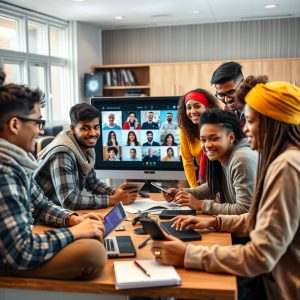
Today, hybrid learning is transforming student exchange programs by reducing these barriers. Virtual exchange components allow students to engage in cultural immersion and academic collaboration without the need for immediate physical travel. For example, a student in Brazil can participate in a virtual exchange with a university in Germany, gaining exposure to new ideas and perspectives before committing to an in-person experience. This hybrid approach not only makes exchange programs more accessible but also prepares students for the realities of a globalized world where digital collaboration is increasingly the norm.
The Role of Financial Aid in Expanding Access
While hybrid learning and virtual exchange programs are making education more accessible, financial aid packages play a crucial role in ensuring that these opportunities are available to all students, regardless of their economic background. Fully funded scholarships, merit-based grants, and higher education grants are instrumental in breaking down the financial barriers that often prevent students from pursuing international education. Organizations and institutions worldwide are recognizing the importance of investing in global talent, offering financial support to students who demonstrate academic excellence, leadership potential, or financial need.
For instance, the Global Undergraduate Exchange Program provides fully funded scholarships to students from underrepresented regions, enabling them to study in the United States for a semester or academic year. Similarly, postgraduate funding opportunities, such as academic fellowships, support students in pursuing advanced degrees abroad, further enhancing their career development opportunities. These financial aid packages not only alleviate the burden of tuition and living expenses but also empower students to focus on their academic and personal growth.
Cultural Immersion and Career Development: The Dual Benefits of Global Education
One of the most significant advantages of participating in student exchange programs and hybrid learning formats is the opportunity for cultural immersion. Living and studying in a new country exposes students to different ways of thinking, problem-solving, and communicating, fostering a deeper understanding of global issues. This cultural fluency is a highly sought-after skill in today’s job market, where employers value employees who can navigate diverse work environments and collaborate across borders.
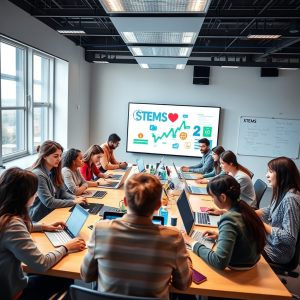
In addition to cultural growth, global education experiences provide students with unparalleled career development opportunities. Internships, research projects, and networking events during an exchange program can open doors to future employment and professional growth. For example, a student who participates in a virtual exchange program with a focus on STEM may have the opportunity to collaborate on research projects with international peers, gaining hands-on experience that enhances their resume and sets them apart in a competitive job market.
Educational Sustainability: Building a Future-Proof Learning Model
The integration of hybrid learning and financial aid is not just about expanding access to education; it is also about creating a sustainable model for the future. By leveraging technology and innovative funding mechanisms, institutions can reduce their carbon footprint, lower operational costs, and reach a broader audience of students. This approach aligns with the growing emphasis on educational sustainability, ensuring that global education remains viable and impactful for generations to come.
Furthermore, hybrid learning formats allow institutions to offer a wider range of programs and courses, catering to the diverse interests and career goals of students. Whether it’s a course on renewable energy, global health, or artificial intelligence, students can now access specialized education that was once limited to a select few. This democratization of knowledge is a powerful step toward creating a more equitable and sustainable global education system.
As the world continues to evolve, so too must the ways in which we educate the next generation of leaders, innovators, and changemakers. Hybrid learning and financial aid packages are not just tools for expanding access to education; they are catalysts for transformation, breaking down barriers and creating opportunities for students to thrive in a globalized world. By embracing these innovations, we can ensure that education remains a powerful force for change, empowering students to make a difference in their communities and beyond.