The Scholar’s Passport: How Hybrid Learning and Cross-Cultural Scholarships Are Unlocking the World of Academic Mobility
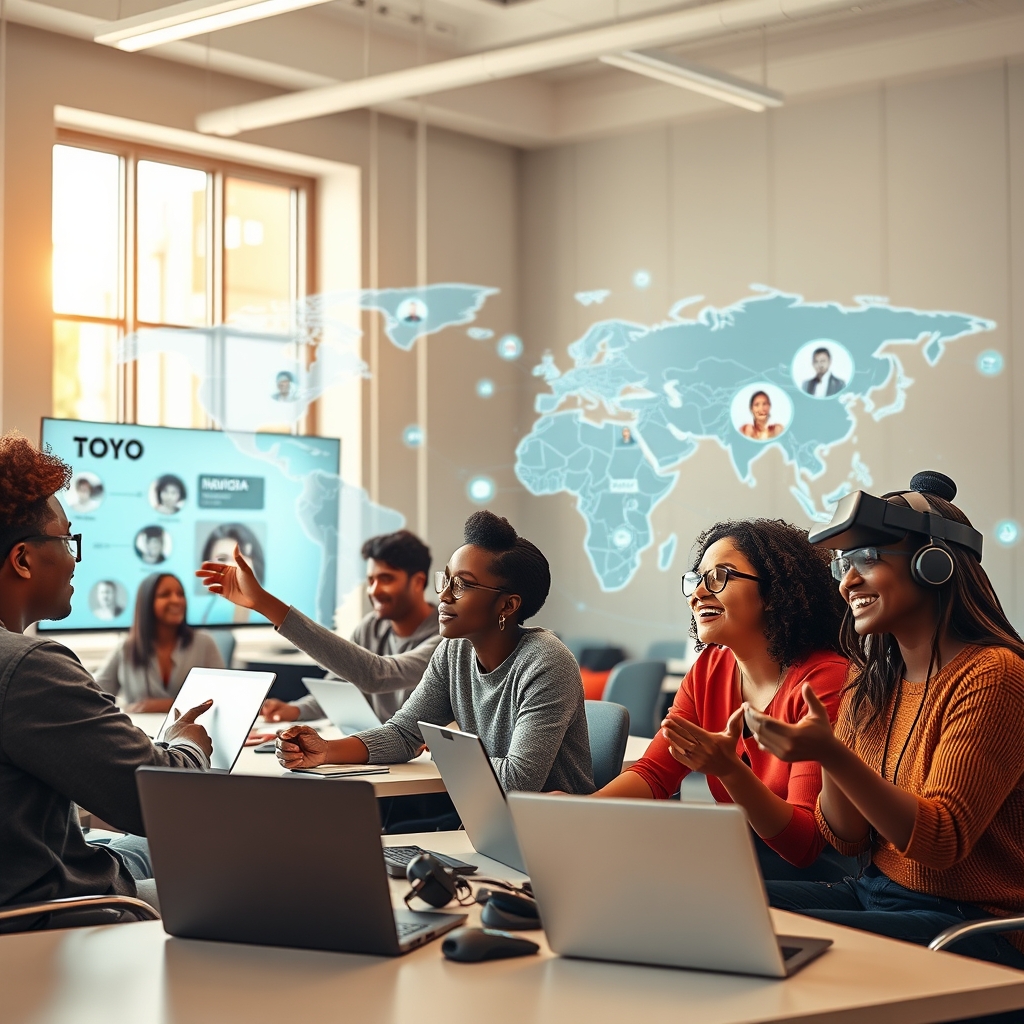
The modern landscape of higher education is no longer confined by geographical borders or traditional classroom walls. As the world becomes increasingly interconnected, students are seeking opportunities that transcend national boundaries, blending the best of in-person and virtual learning to create a dynamic, globally integrated academic experience. At the heart of this transformation lies the synergy between hybrid learning formats and cross-cultural scholarships, a combination that is redefining what it means to be a student in the 21st century.
The Rise of Hybrid Learning: A Gateway to Global Education
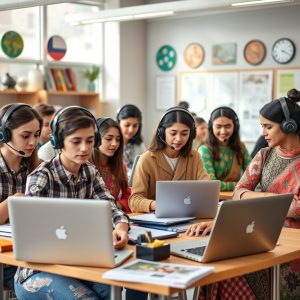
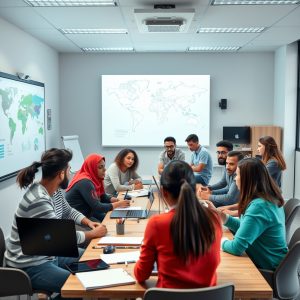
Hybrid learning, a blend of online and in-person education, has emerged as a powerful tool in expanding access to global education. This format allows students to engage with coursework from institutions around the world without the need to relocate permanently, breaking down financial and logistical barriers that once limited academic mobility. For instance, a student in Nairobi can now enroll in a course at a university in Tokyo, participating in virtual lectures while also spending a semester on campus for hands-on experiences. This flexibility not only enhances learning outcomes but also fosters a deeper understanding of diverse academic and cultural perspectives.
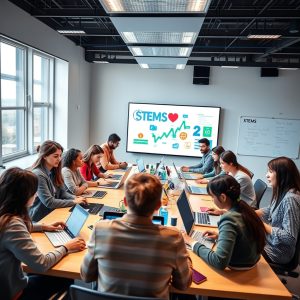
Moreover, hybrid learning formats are particularly beneficial for students in STEM fields, where practical, lab-based learning is often essential. Virtual simulations and remote collaborations can supplement in-person lab work, ensuring that students gain the skills they need while still benefiting from the global exposure that hybrid programs provide. This approach is not just about convenience; it’s about creating a more inclusive and equitable educational ecosystem where talent, not geography, determines opportunity.
The Role of Cross-Cultural Scholarships in Democratizing Education
While hybrid learning opens the door to global education, cross-cultural scholarships provide the financial keys to walk through it. Fully funded scholarships, merit-based grants, and higher education grants are instrumental in making academic mobility a reality for students from diverse socioeconomic backgrounds. Programs like the Global Undergraduate Exchange and Fulbright Scholarships are prime examples of how financial aid packages can empower students to pursue education abroad, immersing themselves in new cultures while contributing to their academic and professional growth.
These scholarships do more than just cover tuition; they often include stipends for living expenses, travel allowances, and even language training, ensuring that students can fully engage with their host communities. For many, this support is the difference between dreaming of studying abroad and actually doing it. Furthermore, scholarships that emphasize cross-cultural communication and cultural immersion help students develop the soft skills necessary to thrive in an increasingly globalized workforce. Employers today value not just technical expertise but also the ability to navigate diverse teams and markets—skills that are honed through international academic experiences.
Cultural Immersion: The Hidden Curriculum of Global Education
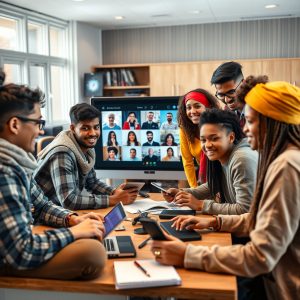
One of the most transformative aspects of studying abroad, whether through hybrid or traditional formats, is the opportunity for cultural immersion. Living and learning in a new country challenges students to step outside their comfort zones, adapt to new social norms, and develop a global mindset. This immersion extends beyond the classroom, encompassing everything from local cuisine and traditions to community engagement and volunteer work. For example, a student participating in a virtual student exchange program might collaborate on a project with peers from different countries, gaining insights into their perspectives while also sharing their own cultural background.
Cultural immersion also plays a critical role in shaping global citizens who are equipped to address the world’s most pressing challenges. Whether it’s climate change, public health, or social inequality, these issues require collaborative, cross-border solutions. Students who engage in cultural immersion during their academic journeys are better prepared to contribute to these efforts, bringing a nuanced understanding of global dynamics to their future careers.
Career Development: The Long-Term Impact of Academic Mobility
The benefits of hybrid learning and cross-cultural scholarships extend far beyond the duration of a student’s academic program. The skills and experiences gained through these opportunities are invaluable in today’s competitive job market. Employers increasingly seek candidates who demonstrate adaptability, cultural fluency, and the ability to work in diverse teams—qualities that are cultivated through international academic experiences. For instance, a student who has participated in a blended education program may have developed strong project management skills by coordinating with peers across different time zones, a highly transferable skill in many industries.
Additionally, academic mobility often leads to expanded professional networks, opening doors to internships, research collaborations, and job opportunities that might otherwise be inaccessible. Alumni of international scholarship programs frequently cite their global education as a turning point in their careers, providing them with the confidence and connections to pursue ambitious goals. For students in STEM fields, these opportunities can be particularly impactful, as they often lead to research partnerships and innovations that have a global reach.
Educational Sustainability: Building a Future-Proof Academic Ecosystem
As the demand for global education continues to grow, the sustainability of academic mobility programs becomes a critical consideration. Hybrid learning formats and cross-cultural scholarships are not just short-term solutions; they are integral components of a sustainable educational future. By reducing the carbon footprint associated with traditional study abroad programs—such as air travel and campus infrastructure—hybrid learning offers an environmentally conscious alternative that aligns with the goals of educational sustainability.
Furthermore, scholarships that prioritize diversity and inclusion ensure that the benefits of academic mobility are accessible to a broader range of students. This inclusivity is essential for fostering innovation, as diverse perspectives lead to more creative solutions to complex problems. Institutions that invest in hybrid learning and scholarships are not only expanding access to education but also contributing to a more equitable and sustainable global academic ecosystem.
The journey of a global scholar is no longer a linear path from one country to another. Instead, it is a dynamic, multifaceted experience that blends the best of virtual and in-person learning, supported by financial aid packages that make it all possible. As hybrid learning continues to evolve and cross-cultural scholarships become more accessible, the opportunities for students to engage with the world—and for the world to engage with them—are limitless. The future of education is not just about crossing borders; it’s about erasing them altogether, creating a truly interconnected academic community where every student has the chance to thrive.