Interactive Knowledge Building: How Collaborative Problem Solving Shapes Modern Learning
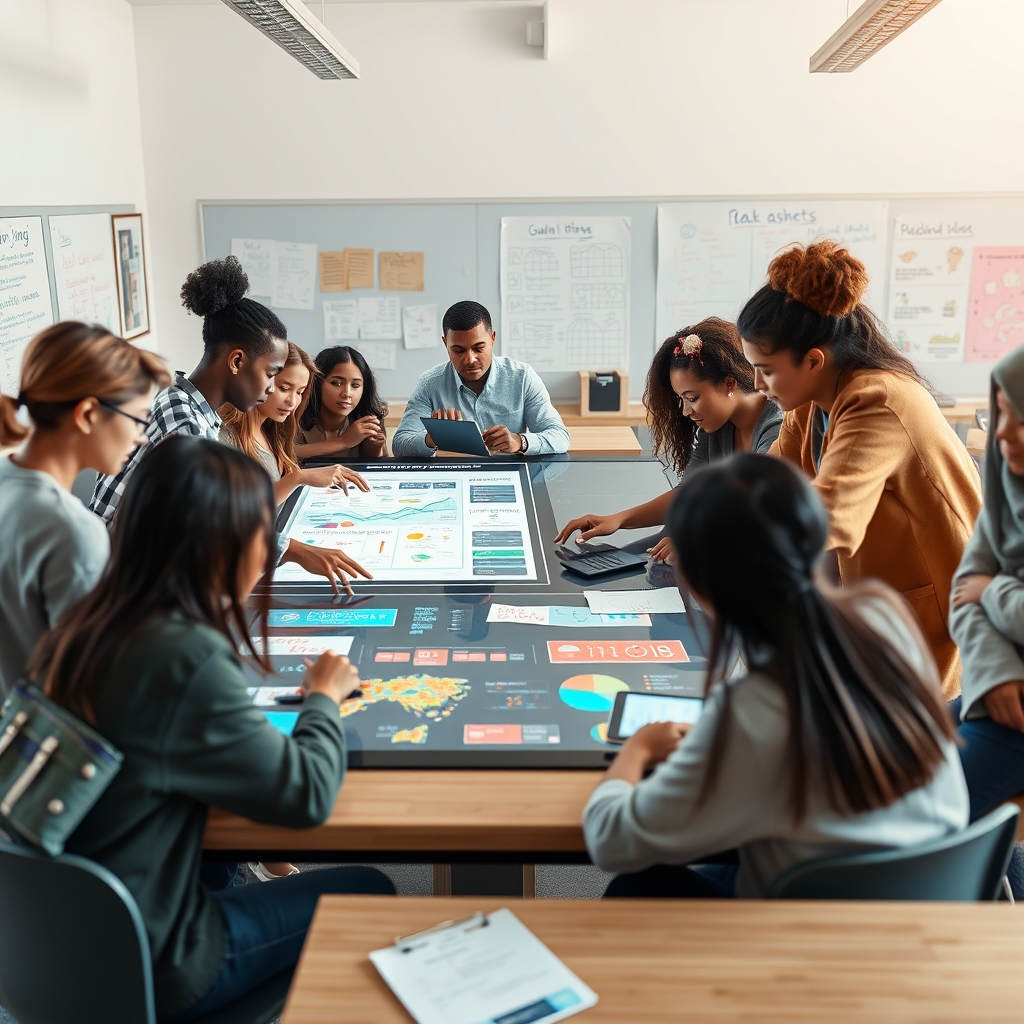
In an era where information is abundant but attention spans are fragmented, traditional lecture-based education often falls short in engaging learners meaningfully. The shift toward interactive knowledge building—where students actively construct understanding through collaboration, discussion, and hands-on problem-solving—has emerged as a transformative force in modern pedagogy. This approach not only deepens comprehension but also cultivates essential skills like critical thinking, communication, and adaptability, preparing learners for the complexities of the real world.
The Foundations of Interactive Knowledge Building
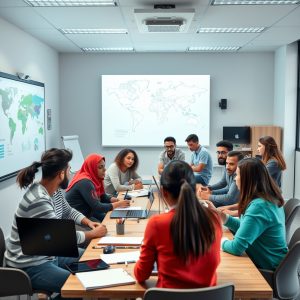
At its core, interactive knowledge building is rooted in constructivist learning theory, which posits that learners construct knowledge through experiences and reflections rather than passively absorbing information. Unlike traditional methods where teachers deliver content and students memorize it, this methodology emphasizes collaborative problem solving as a vehicle for discovery. By working together to tackle challenges, students engage in inquiry-based exploration, testing hypotheses, debating ideas, and refining their understanding through dialogue.
This process mirrors real-world scenarios where professionals rarely work in isolation. Fields like science, engineering, and business thrive on teamwork, where diverse perspectives lead to innovative solutions. By integrating student-centric pedagogy into classrooms, educators create environments where learners take ownership of their intellectual growth, fostering both independence and interdependence.
From Passive Receivers to Active Creators
The transition from passive learning to active creation is a hallmark of interactive knowledge building. Traditional education often treats students as empty vessels to be filled with facts, but modern learners benefit far more from being treated as co-creators of knowledge. For example, in a history class, instead of memorizing dates and events, students might engage in a project-based learning activity where they research primary sources, debate historical interpretations, and present their findings in a multimedia format. This not only reinforces content knowledge but also hones digital literacy, public speaking, and analytical skills.
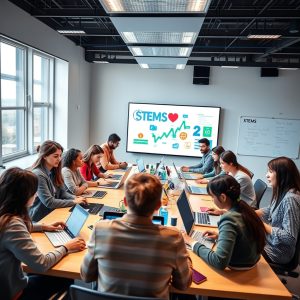
Similarly, in STEM fields, experiential knowledge acquisition takes center stage. Students might design experiments to test scientific principles, troubleshoot coding errors in collaborative programming projects, or simulate real-world engineering challenges. These activities move beyond rote learning, embedding knowledge in practical, memorable contexts that resonate long after the lesson ends.
The Role of Technology in Facilitating Collaboration
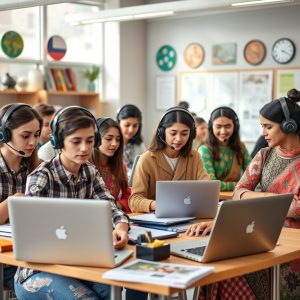
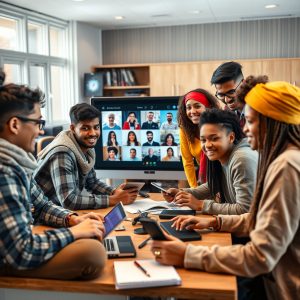
Digital tools have revolutionized the way interactive knowledge building unfolds in classrooms. Platforms like collaborative whiteboards, shared documents, and virtual breakout rooms enable seamless teamwork, even in remote or hybrid learning environments. These technologies allow students to co-author projects, provide peer feedback in real time, and engage in asynchronous discussions, breaking down geographical and temporal barriers to collaboration.
Moreover, gamified learning experiences leverage technology to make interactive knowledge building even more engaging. Educational games and simulations, such as those used in business strategy or medical training, immerse learners in scenarios where they must apply concepts to progress. These tools not only make learning enjoyable but also provide instant feedback, allowing students to reflect on their decisions and adjust their strategies—a key component of reflective learning practice.
Scaffolding for Success
While interactive knowledge building empowers students to take charge of their learning, it requires thoughtful scaffolding to ensure success. Educators play a crucial role in structuring activities that are challenging yet achievable, providing just enough guidance to keep learners on track without stifling their creativity. For instance, in a competency-based education model, teachers might break complex tasks into smaller, manageable steps, offering targeted support where students struggle while gradually reducing assistance as proficiency grows.
This approach aligns with adaptive learning pathways, where instruction is tailored to individual needs. By using data from formative assessments, educators can identify gaps in understanding and adjust their scaffolding strategies accordingly. For example, if a group of students struggles with a particular math concept, the teacher might introduce a peer-led workshop or a hands-on activity to reinforce the idea before moving forward.
Real-World Applications and Lifelong Benefits
The ultimate goal of interactive knowledge building is to prepare students for the demands of the modern workforce, where real-world application of skills is paramount. Employers increasingly value candidates who can collaborate effectively, think critically, and adapt to new challenges—qualities that are nurtured through this approach. For example, a marketing student who participates in a simulated campaign project gains experience in teamwork, creativity, and data analysis, all of which are directly transferable to a professional setting.
Beyond professional skills, interactive knowledge building also fosters social-emotional learning (SEL). By working in teams, students develop empathy, resilience, and conflict-resolution skills. They learn to appreciate diverse viewpoints, navigate disagreements constructively, and celebrate collective achievements. These competencies are just as vital as academic knowledge, contributing to holistic cognitive growth and well-being.
As education continues to evolve, the principles of interactive knowledge building offer a roadmap for creating dynamic, inclusive, and effective learning environments. By prioritizing collaboration, reflection, and real-world relevance, educators can equip students with the tools they need to thrive in an ever-changing world. The shift from passive consumption to active creation is not just a trend—it’s a fundamental reimagining of how we learn, grow, and succeed together, leaving behind the limitations of traditional education and embracing a future where every learner is an active participant in their own journey.