Empowering Every Learner: How Innovative Teaching Methods and Digital Literacy Are Shaping Inclusive Education for Sustainable Development

In an era where education is rapidly evolving, the intersection of innovative teaching methods and digital literacy has become a cornerstone for fostering inclusive education. As classrooms around the world embrace diversity, the need for equitable access to learning opportunities has never been more pressing. This shift is not just about integrating technology into education but about reimagining how we teach, learn, and grow together to meet the Sustainable Development Goals (SDGs), particularly SDG 4, which aims to ensure inclusive and equitable quality education for all.
The Power of Innovative Teaching Methods
Traditional teaching methods, while effective in their time, often fall short in addressing the diverse needs of today’s learners. Innovative teaching methods, such as student-centered learning and personalized learning paths, are transforming classrooms into dynamic spaces where every student can thrive. These approaches prioritize individual strengths, interests, and learning paces, ensuring that no learner is left behind. For instance, project-based learning encourages students to explore real-world problems, fostering critical thinking and collaboration skills that are essential for global competency skills.
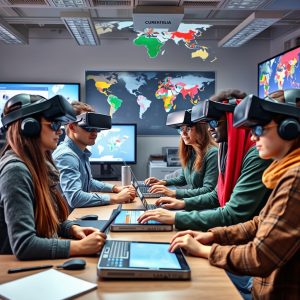
Moreover, innovative methods like flipped classrooms and gamification are breaking the monotony of conventional lectures. By leveraging technology, educators can create interactive and engaging lessons that cater to different learning styles. This not only enhances academic performance but also nurtures a love for lifelong learning, aligning with the broader goals of lifelong learning opportunities.
Digital Literacy: A Gateway to Equitable Access
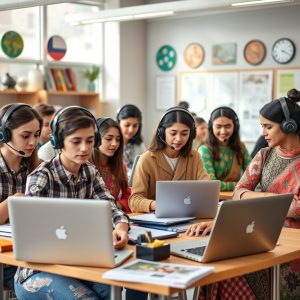
Digital literacy is no longer a luxury but a necessity in the 21st century. It empowers students with the skills needed to navigate an increasingly digital world, from basic computer operations to advanced data analysis. However, the digital divide remains a significant barrier to equitable access in education. Schools in underserved communities often lack the modern infrastructure development required to support digital learning, exacerbating inequalities.
To bridge this gap, initiatives focused on educational resource allocation are crucial. Governments, non-profits, and private sectors must collaborate to provide schools with the necessary tools, such as computers, internet connectivity, and smart classroom technology. Additionally, teacher professional development programs should include training on digital literacy to ensure educators are equipped to guide students effectively. When digital literacy is prioritized, it opens doors to opportunities that were once out of reach for many learners, making education more inclusive and accessible.
Inclusive Education: More Than Just Access
Inclusive education goes beyond providing access to learning; it ensures that every student, regardless of their background or abilities, feels valued and supported. This requires a holistic approach that addresses not only academic needs but also socioemotional well-being. Socioemotional learning programs play a vital role in this regard, helping students develop empathy, resilience, and self-awareness. These skills are essential for building a supportive learning environment where diversity is celebrated.
Furthermore, inclusive education demands a shift in mindset. Educators must be trained to recognize and accommodate the unique needs of their students, whether through differentiated instruction or the use of educational assessment tools that provide insights into individual progress. Schools must also foster a culture of respect and understanding, where students learn to appreciate differences and work collaboratively. When inclusivity is embedded in the fabric of education, it creates a ripple effect that extends beyond the classroom, promoting social cohesion and equity.
The Role of Teacher Professional Development
Teachers are the backbone of any educational system, and their professional development is key to driving innovation and inclusivity. Continuous training ensures that educators are up-to-date with the latest teaching strategies, technologies, and best practices. Programs focused on innovative teaching methods and digital literacy can empower teachers to create more engaging and effective learning experiences for their students.
Moreover, teacher professional development should emphasize the importance of quality assurance in education. This involves not only improving teaching standards but also fostering a culture of reflection and growth. When teachers are supported in their professional journey, they are better equipped to meet the diverse needs of their students, ultimately contributing to more equitable and inclusive learning environments.
Early Childhood Education: Laying the Foundation for Lifelong Learning
The early years of a child’s life are critical for cognitive, social, and emotional development. Early childhood education lays the foundation for lifelong learning by fostering curiosity, creativity, and a love for discovery. When children are exposed to high-quality early education, they are more likely to succeed academically and socially in later years. This is particularly important for children from marginalized communities, where access to early learning opportunities may be limited.
Investing in early childhood education also aligns with the Sustainable Development Goals, as it promotes equity and reduces disparities in educational outcomes. By providing young learners with a strong start, we can break the cycle of poverty and create a more just and inclusive society. Additionally, early education programs that incorporate socioemotional learning can help children develop the skills needed to navigate challenges and build positive relationships, setting them up for success in school and beyond.
As we look to the future, the integration of innovative teaching methods and digital literacy will continue to play a pivotal role in shaping inclusive education. By prioritizing equitable access, supporting teacher professional development, and investing in early childhood education, we can create learning environments where every student has the opportunity to thrive. The journey toward inclusive education is not without its challenges, but with collaboration, commitment, and creativity, we can build a system that empowers every learner to reach their full potential. The transformation of education is not just a goal—it is a necessity for a more equitable and sustainable world, where no one is left behind and every voice is heard.