Bridging Gaps: How Smart Classroom Technology is Redefining Inclusive Education for the 21st Century

In an era where education is rapidly evolving, the integration of smart classroom technology has emerged as a transformative force, particularly in the realm of inclusive education. Schools and educators worldwide are leveraging innovative tools to ensure that learning is accessible, engaging, and equitable for all students, regardless of their abilities, backgrounds, or learning styles. This shift is not just about adopting new gadgets; it’s about reimagining the very foundations of how we teach and learn, aligning with the Sustainable Development Goals (SDGs), particularly SDG 4, which emphasizes equitable access to quality education for everyone.
The Role of Smart Classroom Technology in Inclusive Education
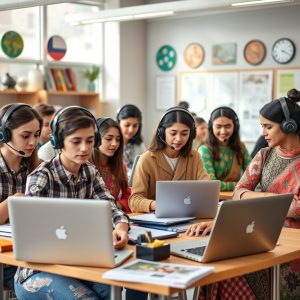
Smart classroom technology encompasses a wide range of digital tools, from interactive whiteboards and tablets to artificial intelligence (AI)-driven learning platforms and virtual reality (VR) experiences. These technologies are designed to create dynamic, adaptive learning environments that cater to the diverse needs of students. For instance, students with visual impairments can benefit from screen readers and text-to-speech software, while those with hearing difficulties can use real-time captioning or sign language avatars. Similarly, students with cognitive or learning disabilities can engage with personalized learning paths that adapt to their pace and style of learning.
Beyond accessibility, smart classroom technology fosters student-centered learning, a pedagogical approach that places the learner at the heart of the educational experience. By allowing students to explore topics at their own pace and in ways that resonate with them, these tools empower learners to take ownership of their education. This shift is particularly impactful in early childhood education, where foundational skills are developed, and in STEM education initiatives, where hands-on, experiential learning is critical.
Digital Literacy: A Cornerstone of Modern Education
As smart classroom technology becomes more prevalent, digital literacy has emerged as a non-negotiable skill for both students and educators. Digital literacy goes beyond the ability to use devices; it involves critically evaluating information, understanding digital footprints, and navigating online spaces safely and responsibly. For teachers, this means integrating digital literacy into the curriculum and modeling best practices for students. Professional development programs focused on digital literacy are essential to ensure that educators are equipped to guide students in this digital age.
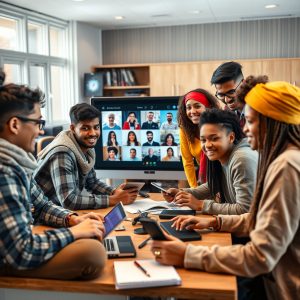
Moreover, digital literacy is closely tied to global competency skills, which prepare students to thrive in an interconnected world. By fostering skills such as collaboration, communication, and problem-solving in digital environments, educators can help students become not just consumers of technology, but creators and innovators.
Innovative Teaching Methods and Personalized Learning Paths
The traditional one-size-fits-all approach to education is increasingly being replaced by innovative teaching methods that prioritize flexibility and personalization. Smart classroom technology enables educators to design personalized learning paths that cater to individual strengths, interests, and needs. For example, adaptive learning platforms use AI to analyze student performance and adjust the difficulty of tasks in real time, ensuring that each student is appropriately challenged.
These methods are particularly effective in addressing the diverse learning needs of students in inclusive classrooms. For instance, a student who excels in mathematics but struggles with reading can engage with interactive math games while receiving additional support in literacy through targeted digital resources. This level of personalization not only enhances academic outcomes but also boosts students’ confidence and motivation.
Teacher Professional Development: The Key to Success
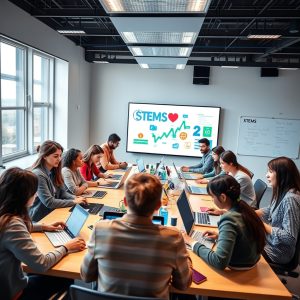
While technology holds immense potential, its effectiveness hinges on the ability of educators to integrate it meaningfully into their teaching practices. Teacher professional development plays a pivotal role in ensuring that educators are not only comfortable with new technologies but also skilled in using them to enhance learning outcomes. Workshops, online courses, and collaborative learning communities can provide teachers with the knowledge and tools they need to leverage smart classroom technology effectively.
Professional development should also focus on socioemotional learning (SEL) programs, which are increasingly recognized as essential components of inclusive education. SEL programs help students develop skills such as empathy, self-awareness, and resilience, which are critical for navigating both academic and personal challenges. When combined with smart classroom technology, SEL programs can create a holistic learning environment that supports the emotional and social well-being of students.
Equitable Access and Educational Resource Allocation
Despite the promise of smart classroom technology, its benefits are not universally accessible. Disparities in educational resource allocation can exacerbate existing inequalities, leaving marginalized communities behind. To achieve true inclusivity, policymakers and educational leaders must prioritize equitable access to technology, ensuring that all schools, regardless of their location or funding, have the infrastructure and resources needed to implement smart classroom solutions.
This includes investing in modern infrastructure development, such as high-speed internet and reliable devices, as well as providing ongoing technical support for educators and students. Additionally, partnerships between governments, private sector organizations, and non-profits can play a crucial role in bridging the digital divide and ensuring that no student is left behind.
Quality Assurance and Academic Integrity in the Digital Age
As education becomes more digitized, concerns about academic integrity and quality assurance in education have come to the forefront. The ease of accessing information online has led to challenges such as plagiarism and cheating, which undermine the credibility of academic achievements. To address these issues, educators must adopt educational assessment tools that are designed to evaluate not just rote memorization, but critical thinking, creativity, and problem-solving skills.
Furthermore, institutions must implement robust policies and technologies to safeguard academic integrity. This includes using plagiarism detection software, promoting a culture of honesty and ethical behavior, and educating students about the importance of original work. By doing so, educators can ensure that the benefits of smart classroom technology are realized without compromising the integrity of the educational process.
As we look to the future, the intersection of smart classroom technology and inclusive education offers a powerful opportunity to create learning environments that are not only innovative but also equitable and empowering. By embracing these tools and approaches, educators can help students develop the skills and confidence they need to succeed in an ever-changing world. The journey toward inclusive education is ongoing, but with the right technology, resources, and commitment, we can build a future where every learner has the chance to thrive.