Cultivating Global Citizens: Integrating Socioemotional Learning and STEM for Holistic Student Development
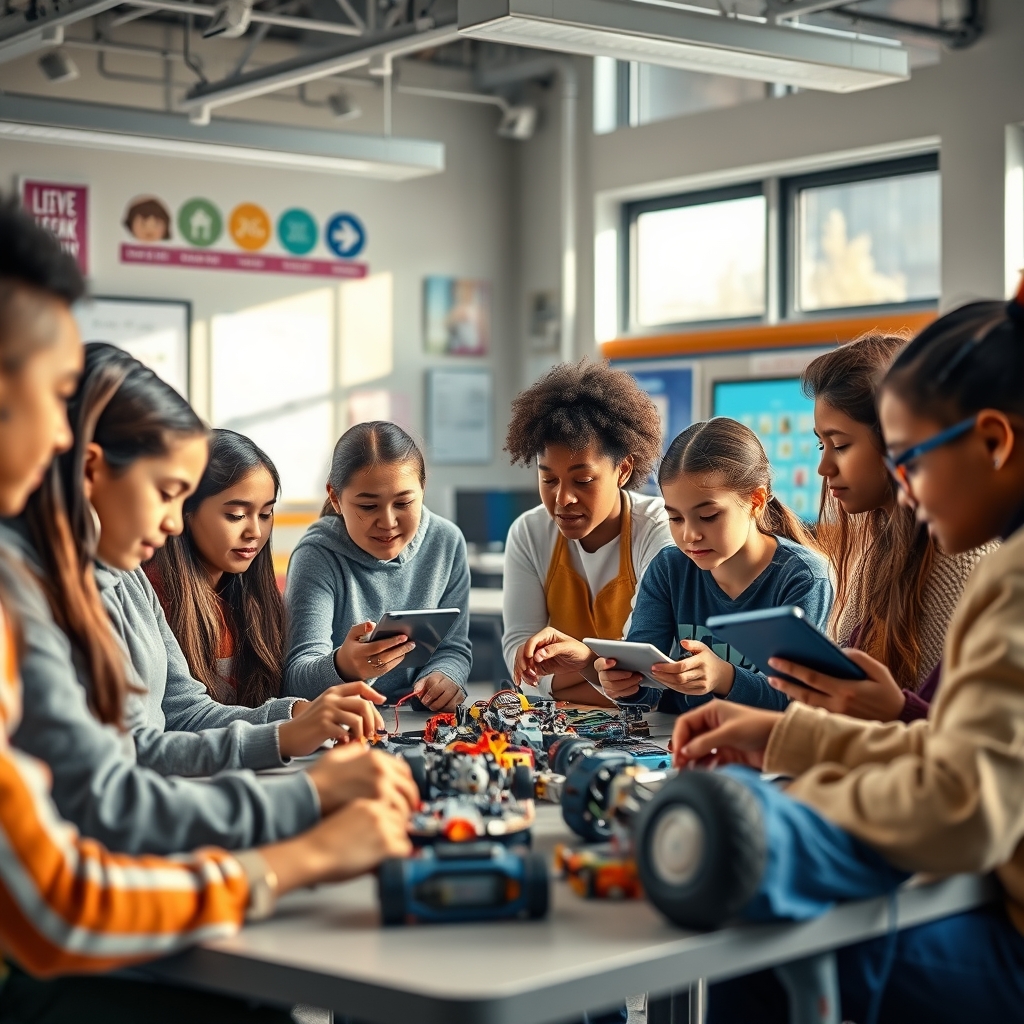
In an era where education systems are rapidly evolving to meet the demands of a interconnected world, the integration of socioemotional learning (SEL) programs and STEM education initiatives has emerged as a powerful strategy to foster well-rounded, globally competent students. While academic excellence remains a cornerstone of education, the development of emotional intelligence, empathy, and collaborative skills is equally critical in preparing learners for the complexities of the 21st century. This shift toward a more holistic approach to education is not just a trend but a necessity, particularly as schools strive to align with the Sustainable Development Goals (SDGs), particularly Goal 4, which emphasizes inclusive and equitable quality education for all.
The Foundation of Socioemotional Learning
Socioemotional learning programs are designed to help students develop self-awareness, self-management, social awareness, relationship skills, and responsible decision-making. These competencies are essential for navigating personal and professional challenges, fostering healthy relationships, and contributing positively to society. Research has shown that SEL programs not only improve academic performance but also reduce behavioral issues and enhance students’ overall well-being. For instance, a study by the Collaborative for Academic, Social, and Emotional Learning (CASEL) found that students who participated in SEL programs demonstrated an 11% increase in academic achievement compared to their peers who did not.
Incorporating SEL into the curriculum requires a deliberate and structured approach. Schools can integrate SEL through dedicated lessons, classroom activities, and even by embedding it into existing subjects. For example, literature classes can explore themes of empathy and resilience, while history lessons can examine the emotional and social impacts of historical events. Additionally, teacher professional development plays a crucial role in ensuring educators are equipped with the skills to effectively deliver SEL content. Workshops and training sessions can help teachers create supportive and inclusive learning environments where students feel safe to express themselves and develop their emotional intelligence.
The Role of STEM in Shaping Future-Ready Learners
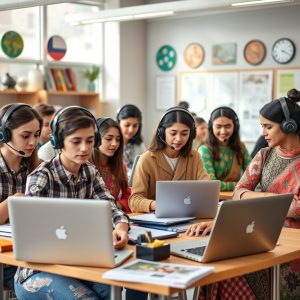
While SEL focuses on the emotional and social dimensions of learning, STEM education initiatives are pivotal in equipping students with the technical and analytical skills needed to thrive in a technology-driven world. STEM—encompassing science, technology, engineering, and mathematics—encourages critical thinking, problem-solving, and innovation. These skills are not only vital for careers in STEM fields but are also increasingly relevant across all industries, from healthcare to finance to the arts.
However, traditional STEM education often faces challenges such as gender disparities, lack of resources, and outdated teaching methods. To address these issues, schools are adopting innovative teaching methods such as project-based learning, where students work on real-world problems, and inquiry-based learning, which encourages curiosity and exploration. These approaches make STEM subjects more engaging and accessible, particularly for students who may have previously felt excluded from these fields. Furthermore, partnerships with local businesses, universities, and non-profit organizations can provide students with hands-on experiences, mentorship opportunities, and exposure to cutting-edge technologies.
Bridging SEL and STEM for a Holistic Education
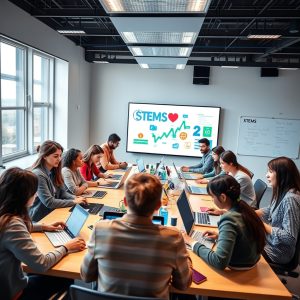
The integration of SEL and STEM creates a synergistic effect, where the emotional and social skills developed through SEL enhance students’ ability to collaborate, communicate, and persevere in STEM learning environments. For example, group STEM projects require teamwork, empathy, and conflict resolution—skills that are cultivated through SEL. Conversely, the problem-solving and analytical skills gained from STEM can help students approach social and emotional challenges with a more structured and logical mindset.
One effective way to bridge SEL and STEM is through student-centered learning approaches. In a student-centered classroom, learners take an active role in their education, setting goals, making choices, and reflecting on their progress. This approach not only fosters independence and self-motivation but also allows students to connect their academic learning with their personal and emotional growth. For instance, a student working on a robotics project might reflect on how their teamwork skills improved over the course of the project, or how they overcame frustration when faced with a technical challenge.
Aligning with Global Competency Skills
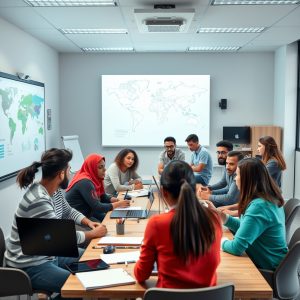
The demand for global competency skills—such as cultural awareness, communication, and adaptability—has never been higher. As the world becomes more interconnected, students must be prepared to engage with diverse perspectives, navigate cross-cultural interactions, and address global challenges such as climate change and inequality. SEL and STEM education are both instrumental in developing these competencies. SEL fosters empathy and open-mindedness, while STEM encourages students to think critically about global issues and develop innovative solutions.
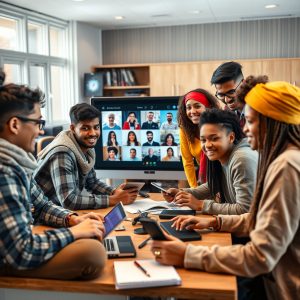
Educational institutions can further support the development of global competency skills by incorporating modern infrastructure development and smart classroom technology. For example, virtual exchange programs can connect students with peers from different countries, allowing them to collaborate on projects and gain firsthand experience in cross-cultural communication. Additionally, digital literacy initiatives can ensure that all students have the skills to navigate online platforms, critically evaluate information, and participate in the digital economy. These efforts not only enhance students’ global awareness but also promote equitable access to learning opportunities, ensuring that no student is left behind.
The Importance of Quality Assurance in Education
As schools integrate SEL and STEM into their curricula, it is essential to ensure that these programs are implemented effectively and equitably. Quality assurance in education involves regularly assessing and refining teaching methods, curriculum content, and learning outcomes to meet the needs of all students. This process includes gathering feedback from students, teachers, and parents, as well as using educational assessment tools to measure progress and identify areas for improvement.
For example, schools can use formative assessments to gauge students’ socioemotional development, such as self-reflection journals or peer feedback sessions. Similarly, STEM programs can be evaluated through project-based assessments, where students demonstrate their understanding of concepts through real-world applications. By continuously monitoring and improving these programs, schools can ensure that they are providing high-quality, inclusive education that prepares students for success in an ever-changing world.
Education is no longer just about imparting knowledge; it is about nurturing individuals who are emotionally intelligent, socially responsible, and equipped with the skills to thrive in a globalized society. By integrating socioemotional learning and STEM education, schools can create a learning environment that fosters holistic development, empowers students to reach their full potential, and prepares them to make meaningful contributions to the world. The journey toward this vision requires collaboration, innovation, and a commitment to equity, but the rewards—confident, compassionate, and capable global citizens—are well worth the effort.