Building the Future: How Digital Literacy and Innovative Teaching Methods Are Shaping Equitable Access to Education

Education is the cornerstone of progress, a dynamic force that shapes societies and empowers individuals. Yet, despite its transformative potential, millions around the world still face barriers to accessing quality learning opportunities. The digital revolution has introduced both challenges and unprecedented solutions to this age-old problem. By integrating digital literacy with innovative teaching methods, educators and policymakers are reimagining how knowledge is delivered, ensuring that no learner is left behind in the pursuit of equitable access to education.
The Digital Divide: A Barrier to Equitable Access
The promise of technology in education is vast, but its benefits are not evenly distributed. The digital divide— the gap between those who have access to modern information and communication technology and those who do not— remains a significant obstacle. In many parts of the world, students lack reliable internet connectivity, devices, or the skills needed to navigate digital platforms. This disparity is not just a matter of infrastructure; it reflects deeper systemic inequalities that perpetuate educational inequities.
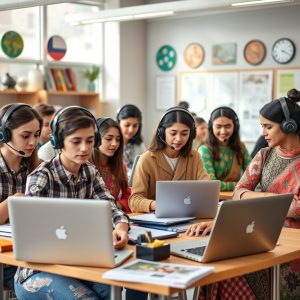
Addressing the digital divide requires a multi-faceted approach. Governments, non-profits, and private sectors must collaborate to invest in modern infrastructure development, ensuring that schools in underserved communities are equipped with the necessary tools. Initiatives like one-to-one device programs, community Wi-Fi hubs, and subsidized data plans can bridge the gap, but they must be accompanied by efforts to foster digital literacy. Without the skills to use technology effectively, access alone is not enough.
Innovative Teaching Methods: The Heart of Inclusive Education
Technology is only as powerful as the methods used to wield it. Innovative teaching methods are the key to unlocking its potential, transforming traditional classrooms into dynamic, student-centered learning environments. These methods prioritize the needs, interests, and abilities of individual learners, moving away from one-size-fits-all approaches that often leave marginalized students struggling to keep up.
One such method is personalized learning paths, which tailor education to the unique pace and style of each student. By leveraging adaptive learning software and data analytics, educators can identify gaps in understanding and provide targeted support. This approach is particularly effective in inclusive education, where students with diverse learning needs— including those with disabilities or from non-traditional backgrounds— can thrive. Additionally, project-based learning and collaborative learning foster critical thinking, creativity, and teamwork, skills that are essential for success in the 21st century.
The Role of Teacher Professional Development
For innovative teaching methods to take root, educators must be equipped with the knowledge and skills to implement them effectively. Teacher professional development is a critical component of this transformation. Workshops, online courses, and peer mentoring programs can help teachers stay abreast of the latest pedagogical strategies and technological tools. However, professional development must go beyond technical training; it should also cultivate a mindset of continuous improvement and adaptability.
In many regions, teachers face overwhelming challenges, from large class sizes to limited resources. Providing them with ongoing support— such as access to educational resource allocation and quality assurance in education frameworks— can empower them to innovate in their classrooms. When teachers feel confident and supported, they are better positioned to create inclusive, engaging, and effective learning experiences for their students.
Digital Literacy: A Gateway to Lifelong Learning
In an increasingly digital world, digital literacy is no longer a luxury; it is a necessity. It encompasses not only the ability to use technology but also the critical thinking skills needed to evaluate information, communicate effectively, and solve problems. For students, digital literacy is the foundation of lifelong learning opportunities, enabling them to adapt to an ever-changing job market and participate fully in society.
Educational systems must integrate digital literacy into their curricula from an early age. Early childhood education programs, for example, can introduce young learners to basic digital skills through interactive games and storytelling. As students progress, the curriculum should evolve to include more advanced topics, such as coding, media literacy, and online safety. By embedding digital literacy into curriculum standardization, schools can ensure that all students— regardless of their background— develop the competencies needed to succeed in the digital age.
Aligning with Sustainable Development Goals
The global community has recognized the importance of education in achieving a more just and sustainable world. The Sustainable Development Goals (SDGs), particularly SDG 4— which aims to ensure inclusive and equitable quality education for all— provide a roadmap for action. Digital literacy and innovative teaching methods are essential tools in this endeavor, helping to break down barriers and create opportunities for marginalized groups.
For instance, STEM education initiatives can inspire the next generation of scientists, engineers, and innovators, while socioemotional learning programs equip students with the resilience and empathy needed to navigate complex social challenges. By aligning educational practices with the SDGs, schools can contribute to a more equitable and sustainable future, where every learner has the chance to reach their full potential.
The Future of Learning: Smart Classrooms and Beyond
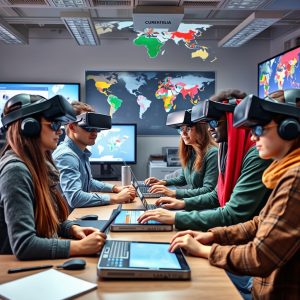
The classroom of the future is already taking shape, driven by advancements in smart classroom technology. Interactive whiteboards, virtual reality simulations, and artificial intelligence-powered tutors are just a few of the tools transforming the learning experience. These technologies make education more engaging, accessible, and personalized, but their success depends on how they are implemented.
For example, educational assessment tools powered by AI can provide real-time feedback to students and teachers, helping to identify areas for improvement and track progress. Meanwhile, global competency skills— such as cross-cultural communication and problem-solving— can be nurtured through virtual exchange programs and collaborative online projects. However, it is crucial to ensure that these tools are used ethically and responsibly, with a focus on academic integrity and the well-being of students.
As we look to the future, the possibilities for education are limitless. The integration of digital literacy and innovative teaching methods is not just about keeping up with technological advancements; it is about redefining what education can and should be. By prioritizing equitable access, fostering inclusivity, and empowering educators, we can create a world where every learner has the opportunity to thrive, regardless of their circumstances. The journey toward this vision is ongoing, but with each step, we move closer to a future where education is a bridge to opportunity, not a barrier.