Crafting Global Futures: How Hybrid Learning and Cross-Cultural Scholarships Are Redefining the Landscape of Academic Mobility

The world of higher education is undergoing a seismic shift, one where the boundaries of traditional classrooms dissolve into a dynamic, interconnected global network. At the heart of this transformation lies the fusion of hybrid learning formats and cross-cultural scholarships, a combination that is not only redefining academic mobility but also democratizing access to world-class education. For students aspiring to broaden their horizons, this convergence offers unprecedented opportunities to engage with diverse perspectives, foster innovation, and build careers that transcend geographical limitations.
The Rise of Hybrid Learning: A Gateway to Global Classrooms
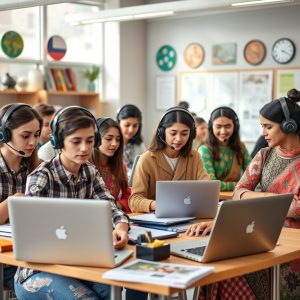
Hybrid learning, a blend of in-person and virtual education, has emerged as a cornerstone of modern academic experiences. This format leverages technology to create flexible, accessible, and inclusive learning environments that cater to the needs of a diverse student body. Whether through synchronous online lectures, asynchronous discussion forums, or immersive virtual labs, hybrid learning breaks down the barriers of time and space, allowing students to participate in global classrooms without leaving their homes.
For international students, hybrid learning is particularly transformative. It provides the flexibility to balance academic pursuits with personal and professional commitments, making higher education more attainable for those who might otherwise face financial or logistical constraints. Moreover, hybrid programs often incorporate collaborative projects that bring together students from different cultural backgrounds, fostering cross-cultural communication and teamwork skills that are invaluable in today’s globalized workforce.
The Role of Cross-Cultural Scholarships in Expanding Access
While hybrid learning opens doors to global education, cross-cultural scholarships serve as the key that unlocks them. These scholarships, often fully funded or merit-based, are designed to support students from underrepresented regions, enabling them to pursue academic opportunities that might otherwise be out of reach. Programs like the Global Undergraduate Exchange, Fulbright Scholarships, and various STEM-focused grants are not just financial aids; they are catalysts for change, empowering students to become ambassadors of their cultures while gaining exposure to new ideas and methodologies.
Scholarships tailored for hybrid learning programs are particularly impactful. They recognize the unique challenges faced by students in blended education formats, such as the need for reliable internet access, digital literacy, and time management skills. By addressing these barriers, scholarships ensure that students can fully engage in their academic journeys, regardless of their socioeconomic backgrounds. This level of support is crucial for fostering educational sustainability, as it ensures that talent is nurtured and developed, rather than stifled by financial limitations.
Bridging Cultures Through Virtual Student Exchange
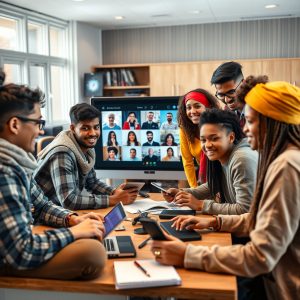
One of the most exciting developments in this space is the rise of virtual student exchange programs. These initiatives allow students to participate in cross-cultural academic experiences without the need for physical travel. Through virtual exchange, students can collaborate on research projects, engage in cultural dialogues, and even participate in language immersion programs, all from the comfort of their own homes. This not only reduces the carbon footprint associated with traditional student mobility but also makes cross-cultural education more accessible to students in remote or underserved regions.
Virtual exchange programs are particularly beneficial for STEM students, who can collaborate on global challenges such as climate change, public health, and technological innovation. By working with peers from different cultural and academic backgrounds, students gain a broader perspective on problem-solving, learning to approach challenges with creativity and adaptability. These experiences are invaluable for cultivating the next generation of global STEM changemakers, who will drive innovation and sustainability in their respective fields.
Career Development in a Globalized World
The integration of hybrid learning and cross-cultural scholarships is not just about academic growth; it is also about preparing students for the global job market. Employers today seek candidates who possess not only technical expertise but also soft skills such as cultural fluency, adaptability, and cross-cultural communication. Hybrid learning environments, with their emphasis on collaboration and diversity, provide the perfect training ground for developing these skills.
Scholarships that include career development components, such as internships, mentorship programs, or networking opportunities, further enhance students’ employability. For example, a student participating in a hybrid engineering program might have the chance to intern with a multinational corporation, gaining hands-on experience while building a global professional network. These opportunities are often life-changing, opening doors to careers that students might never have imagined possible.
The Future of Academic Mobility: A Sustainable and Inclusive Vision
As we look to the future, the synergy between hybrid learning and cross-cultural scholarships will continue to shape the landscape of academic mobility. This model is inherently sustainable, as it reduces the environmental impact of traditional student travel while making education more accessible to a broader range of learners. It also aligns with the growing demand for lifelong learning, as professionals seek to upskill and reskill in an ever-evolving job market.
Moreover, this approach fosters a more inclusive vision of global education, one where students from all backgrounds can contribute to and benefit from the exchange of knowledge. By breaking down the financial, geographical, and cultural barriers that have historically limited academic mobility, hybrid learning and cross-cultural scholarships are paving the way for a new era of educational equity. Students are no longer confined by the limitations of their local institutions; instead, they can craft their own academic journeys, tailored to their unique aspirations and circumstances.
The transformative potential of this model extends beyond individual students. As more learners engage in cross-cultural academic experiences, they bring diverse perspectives back to their home communities, enriching local institutions and driving innovation. This ripple effect has the power to create a more interconnected and collaborative global society, where knowledge is shared freely and solutions to global challenges are developed collectively. The fusion of hybrid learning and cross-cultural scholarships is not just redefining academic mobility; it is shaping the future of education itself, one where opportunity knows no borders and every student has the chance to become a global citizen.