Cultural Fluency and Career Growth: The Hidden Power of Student Exchange and Hybrid Learning

In an increasingly interconnected world, the ability to navigate diverse cultural landscapes is no longer just an asset—it’s a necessity. For students aspiring to thrive in global industries, programs like student exchange initiatives and hybrid learning formats offer more than just academic enrichment; they provide a gateway to developing cultural fluency, a skill that employers across sectors are prioritizing. These experiences do more than broaden horizons—they build adaptability, resilience, and a deeper understanding of the nuances that define successful cross-cultural communication.
The Rise of Cultural Fluency in Modern Education
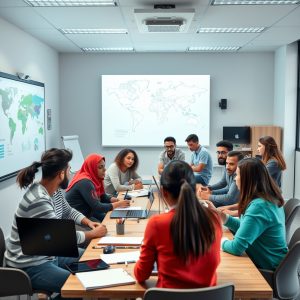
Cultural fluency goes beyond basic language proficiency or surface-level awareness of traditions. It encompasses the ability to interpret unspoken social cues, adapt communication styles, and collaborate effectively with individuals from different backgrounds. As businesses expand globally and remote work dissolves geographical barriers, professionals who can seamlessly transition between cultural contexts are in high demand. Student exchange programs and virtual student exchanges serve as immersive classrooms where these skills are honed through real-world interactions, whether in bustling international cities or through digital platforms connecting peers across continents.
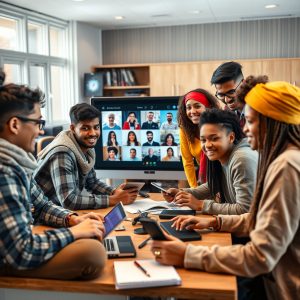
For example, a student participating in a global undergraduate exchange in Japan might initially struggle with hierarchical workplace norms but, over time, learns to navigate these dynamics with confidence. Similarly, a virtual exchange participant collaborating on a project with peers from Brazil, Germany, and South Africa gains firsthand experience in managing time zones, communication styles, and conflicting priorities—all of which are invaluable in today’s global workforce.
Hybrid Learning: The Bridge Between Accessibility and Immersion
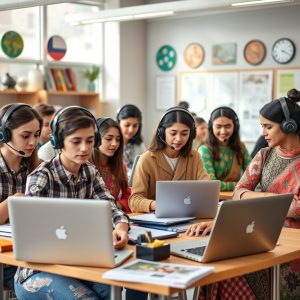
While traditional study abroad programs remain transformative, hybrid learning formats have democratized access to cross-cultural experiences. These blended education programs combine in-person and virtual components, allowing students to engage in cultural immersion without the financial or logistical barriers of full-time relocation. For instance, a student in India might take courses at a university in Canada while simultaneously participating in local internships or community projects, creating a layered learning experience that blends global perspectives with local relevance.
Hybrid programs also cater to the growing demand for flexibility in education. Students juggling work, family commitments, or financial constraints can still benefit from international exposure through virtual classrooms, online cultural workshops, and digital collaboration tools. This model not only makes global education more inclusive but also prepares students for the hybrid work environments they’re likely to encounter in their careers.
Scholarships and Grants: Removing Barriers to Global Opportunities
Despite the clear benefits of international education, financial constraints remain a significant hurdle for many students. Fully funded scholarships and higher education grants play a pivotal role in leveling the playing field, ensuring that talent—not just financial means—determines who can participate in these life-changing programs. Organizations like the Fulbright Program, Chevening Scholarships, and the Erasmus+ initiative offer merit-based scholarships that cover tuition, travel, and living expenses, making it possible for students from diverse backgrounds to pursue academic mobility.
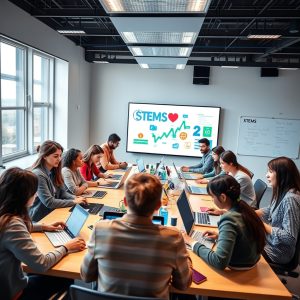
For STEM students, global opportunities are particularly impactful. Programs like the Global STEM Changemakers initiative provide funding for research collaborations, internships, and conferences abroad, fostering innovation through cross-pollination of ideas. These experiences not only enhance technical skills but also cultivate the soft skills—such as problem-solving and teamwork—that are critical in STEM fields. By investing in these students, scholarship providers are not just funding education; they’re fueling the next generation of leaders who will tackle global challenges like climate change, healthcare disparities, and technological inequality.
From Classroom to Career: How Exchange Programs Shape Professional Trajectories
The impact of student exchange programs extends far beyond graduation. Alumni of these initiatives often report accelerated career growth, citing their enhanced cultural fluency as a key differentiator in competitive job markets. Employers value candidates who can demonstrate adaptability, empathy, and the ability to work effectively in diverse teams—qualities that are cultivated through international experiences. For example, a marketing professional who participated in a virtual exchange with peers from Latin America might bring a nuanced understanding of regional consumer behaviors to their role, giving their company a competitive edge in new markets.
Moreover, the networks built during exchange programs can open doors to career development opportunities that might otherwise remain inaccessible. A student who completes an academic fellowship in Germany, for instance, may later secure a job through connections made during their time abroad. These professional relationships, forged across borders, often lead to collaborations that span entire careers, creating a ripple effect of global impact.
Sustainability and the Future of Global Education
As the world grapples with climate change and resource scarcity, the sustainability of international education has come under scrutiny. Traditional study abroad programs, while valuable, often involve significant carbon footprints due to air travel. In response, educational institutions are exploring more sustainable models, such as blended education programs that reduce the need for long-term relocation. Virtual student exchanges, for example, allow students to engage in cross-cultural learning without the environmental cost of frequent travel, aligning global education with the principles of sustainability.
Additionally, universities are increasingly partnering with local communities to create mutually beneficial exchange programs. These initiatives might involve students working on sustainability projects in host countries, such as renewable energy initiatives or conservation efforts, ensuring that their presence contributes positively to the local environment and economy. By integrating sustainability into the fabric of international education, these programs are preparing students to be not just global citizens, but responsible stewards of the planet.
The journey toward cultural fluency and career readiness is no longer a luxury reserved for the few. Through student exchange programs, hybrid learning formats, and fully funded scholarships, global education is becoming more accessible, sustainable, and aligned with the demands of the modern workforce. As students step into these opportunities, they’re not just earning degrees—they’re gaining the tools to navigate a world where borders are increasingly fluid, and success is measured by the ability to connect, adapt, and thrive across cultures. The skills they develop today will shape not only their futures but the future of global collaboration itself.