The Digital Divide and Beyond: How Smart Classroom Technology and Lifelong Learning Opportunities Are Redefining Educational Equity

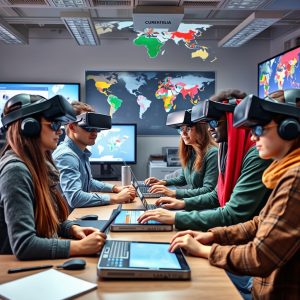
The rapid evolution of technology has transformed nearly every aspect of modern life, and education is no exception. Yet, as classrooms around the world embrace smart boards, AI-driven learning platforms, and virtual reality simulations, a critical question emerges: Are these advancements truly accessible to all, or are they deepening the digital divide? The intersection of smart classroom technology and lifelong learning opportunities offers a promising pathway to equitable access, but only if implemented with intentionality, inclusivity, and a commitment to breaking down systemic barriers.
The Promise of Smart Classroom Technology
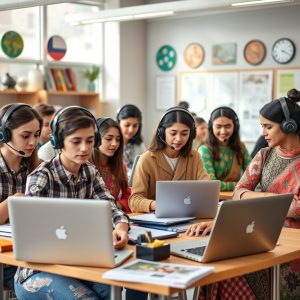
Smart classroom technology is more than just a collection of gadgets—it’s a gateway to dynamic, interactive, and personalized learning experiences. Tools like adaptive learning software, cloud-based collaboration platforms, and AI tutors can cater to diverse learning styles, making education more engaging and effective. For instance, students with learning disabilities can benefit from text-to-speech applications or customized pacing, while advanced learners can explore enriched content tailored to their abilities. These technologies also bridge geographical gaps, allowing students in remote or underserved areas to access the same quality of education as their urban counterparts.
However, the mere presence of technology does not guarantee equitable outcomes. Without proper infrastructure, teacher training, and digital literacy programs, smart classrooms risk becoming another layer of inequality. Schools in low-income communities often lack reliable internet access, up-to-date devices, or technical support, leaving students at a disadvantage. To harness the full potential of smart technology, educational systems must prioritize infrastructure development and ensure that all students, regardless of socioeconomic background, have the tools they need to thrive in a digital world.
Lifelong Learning: A Cornerstone of Educational Equity
Education is no longer confined to the years spent in a classroom. The concept of lifelong learning has gained traction as a means to adapt to the ever-changing demands of the modern workforce and society. Lifelong learning opportunities—such as online courses, vocational training, and community-based education programs—empower individuals to upskill, reskill, and pursue personal growth at any stage of life. This is particularly crucial for marginalized groups, including adult learners, people with disabilities, and those in low-income communities, who may have missed out on formal education earlier in life.
Digital platforms like Coursera, Khan Academy, and edX have democratized access to high-quality educational content, but challenges remain. Language barriers, lack of awareness, and limited internet access can prevent individuals from taking advantage of these resources. To make lifelong learning truly inclusive, governments and organizations must invest in localized content, digital literacy initiatives, and affordable connectivity. Additionally, fostering a culture that values continuous learning—rather than viewing education as a one-time achievement—is essential for long-term success.
Teacher Professional Development: The Key to Unlocking Potential
Even the most advanced smart classroom technology is only as effective as the educators who use it. Teacher professional development plays a pivotal role in ensuring that technology is integrated meaningfully into the curriculum. Without proper training, teachers may struggle to leverage digital tools effectively, leading to frustration and underutilization. Professional development programs should focus not only on technical skills but also on pedagogical strategies that promote student-centered learning, critical thinking, and collaboration.
Moreover, teachers must be equipped to address the diverse needs of their students in an inclusive manner. This includes understanding how to use technology to support students with disabilities, English language learners, and those from different cultural backgrounds. By investing in ongoing teacher training, educational systems can create a more equitable learning environment where every student has the opportunity to succeed.
Curriculum Standardization and Personalized Learning Paths
While curriculum standardization ensures consistency in educational outcomes, it can also stifle creativity and fail to address the unique needs of individual learners. The challenge lies in striking a balance between standardized benchmarks and personalized learning paths. Smart classroom technology can help achieve this balance by providing real-time data on student performance, allowing educators to tailor instruction to each student’s strengths and weaknesses.
Personalized learning paths empower students to take ownership of their education, fostering a sense of agency and motivation. For example, adaptive learning platforms can adjust the difficulty of tasks based on a student’s progress, ensuring they are neither bored nor overwhelmed. However, personalization must be implemented thoughtfully to avoid reinforcing existing inequalities. Schools must ensure that all students have access to the same high-quality resources and that personalized learning does not become a privilege reserved for the few.
Global Competency Skills for the 21st Century
As the world becomes increasingly interconnected, the demand for global competency skills—such as cross-cultural communication, critical thinking, and problem-solving—has never been greater. Smart classroom technology can facilitate the development of these skills by connecting students with peers from different cultures, exposing them to diverse perspectives, and providing opportunities for collaborative projects. Virtual exchange programs, for instance, allow students to engage in dialogue with peers from other countries, fostering empathy and cultural understanding.
Yet, global competency cannot be achieved through technology alone. It requires a holistic approach that integrates socioemotional learning, ethical reasoning, and real-world experiences. Schools must create environments where students feel safe to explore complex issues, challenge their own biases, and develop the resilience needed to navigate an uncertain future. By combining smart technology with a focus on global citizenship, education can prepare students to thrive in a rapidly changing world.
The journey toward equitable access to education is complex and multifaceted, but the potential rewards are immense. Smart classroom technology and lifelong learning opportunities hold the power to dismantle barriers, empower individuals, and create a more just society. However, this transformation will not happen by chance. It requires deliberate action—from policymakers, educators, and communities—to ensure that every learner, regardless of their background, has the tools and support they need to succeed. The future of education is not just about embracing innovation; it’s about ensuring that innovation serves everyone, leaving no one behind.