The Intersection of Innovation and Inclusion: How Hybrid Learning and Global Scholarships Are Redefining Academic Mobility

In an era where borders are increasingly fluid and technology bridges vast distances, the landscape of higher education is undergoing a profound transformation. The fusion of hybrid learning formats with international scholarships is not merely a trend but a paradigm shift, redefining what it means to pursue academic excellence in a globalized world. This evolution is democratizing access to education, fostering cross-cultural communication, and equipping students with the tools to become true global citizens.
The Rise of Hybrid Learning: A Catalyst for Academic Mobility
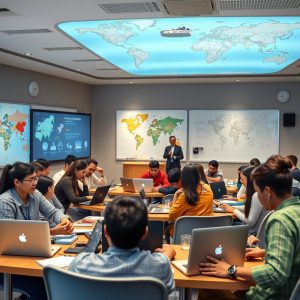
Hybrid learning, a blend of in-person and virtual education, has emerged as a cornerstone of modern academic mobility. This format transcends geographical limitations, allowing students to engage with diverse curricula, faculty, and peers without the constraints of physical relocation. For instance, a student in Nairobi can now enroll in a course at a university in Tokyo, participating in real-time discussions while also accessing recorded lectures at their convenience. This flexibility is particularly transformative for those who may not have the means or opportunity to study abroad full-time.
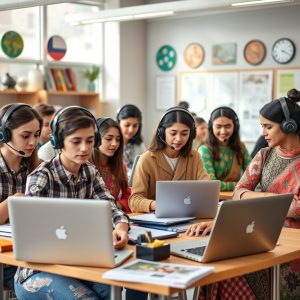
Moreover, hybrid learning formats are fostering a new level of inclusivity. Students with disabilities, caregiving responsibilities, or financial constraints can now access world-class education without sacrificing their personal or professional commitments. The integration of digital platforms has also enabled universities to expand their reach, offering specialized programs to a global audience. This shift is not just about convenience; it’s about creating equitable opportunities for learners from all walks of life.
International Scholarships: Breaking Down Financial Barriers
While hybrid learning addresses the logistical challenges of academic mobility, international scholarships tackle the financial hurdles that often deter students from pursuing global education. Fully funded scholarships, such as those offered by the Fulbright Program, the Chevening Scholarships, or the Erasmus Mundus Joint Master Degrees, are opening doors for talented individuals who might otherwise be excluded from the global academic stage. These scholarships cover tuition, living expenses, and even travel costs, ensuring that financial limitations do not stifle potential.
Merit-based scholarships, in particular, are playing a pivotal role in nurturing the next generation of leaders. By rewarding academic excellence, leadership, and innovation, these scholarships incentivize students to push their boundaries and strive for greatness. For example, the Schwarzman Scholars program not only provides full funding for a master’s degree in China but also immerses students in a cohort of peers from around the world, fostering lifelong connections and cross-cultural understanding.
The Synergy of Hybrid Learning and Scholarships
The true power of this educational revolution lies in the synergy between hybrid learning and international scholarships. Together, they create a dynamic ecosystem where students can tailor their academic journeys to their unique needs and aspirations. Consider a student from Brazil who receives a fully funded scholarship to pursue a master’s degree in renewable energy. Through a hybrid program, they can complete coursework online while spending a semester abroad in Germany, gaining hands-on experience in a country renowned for its advancements in sustainability. This blend of virtual and in-person learning not only enhances their academic experience but also prepares them for a career in a global industry.
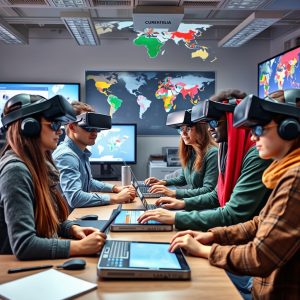
Virtual student exchange programs are another example of this synergy. These initiatives allow students to engage in short-term academic or cultural exchanges without leaving their home countries. For instance, a student in India might participate in a virtual exchange with a university in Canada, collaborating on a research project or attending a series of workshops. Such programs are not only cost-effective but also scalable, enabling universities to offer cross-cultural experiences to a larger number of students.
Cultural Immersion and Career Development: The Hidden Benefits
Beyond the academic and financial advantages, hybrid learning and international scholarships offer profound personal and professional benefits. Cultural immersion, whether virtual or in-person, is a cornerstone of these experiences. Students who engage with peers from different backgrounds develop a deeper understanding of global perspectives, enhancing their ability to navigate diverse workplaces and communities. This cultural fluency is increasingly valued by employers, who recognize the importance of cross-cultural communication in a globalized economy.
Furthermore, these opportunities provide unparalleled career development prospects. Students who participate in global exchange programs or receive international scholarships often gain access to exclusive networking events, internships, and mentorship opportunities. For example, the Global Undergraduate Exchange Program (Global UGRAD) not only offers academic coursework but also includes professional development workshops and community service projects. These experiences help students build a global network, develop leadership skills, and stand out in a competitive job market.
Educational Sustainability: A Long-Term Vision
The integration of hybrid learning and international scholarships is also contributing to the broader goal of educational sustainability. By reducing the need for physical infrastructure and minimizing the carbon footprint associated with travel, hybrid learning formats are making education more environmentally sustainable. Additionally, scholarships that prioritize fields like STEM, renewable energy, and public health are equipping students with the knowledge and skills to address global challenges, from climate change to healthcare disparities.
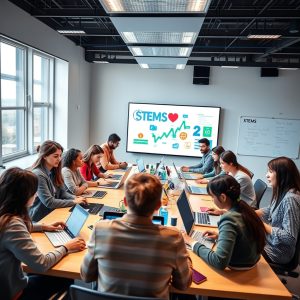
Programs like the Global STEM Changemakers initiative are a testament to this vision. By providing funding and resources to students pursuing STEM degrees, these programs are nurturing the innovators who will drive sustainable development in the years to come. The combination of hybrid learning and targeted scholarships ensures that these future leaders are not only well-educated but also globally aware and socially responsible.
As the world continues to evolve, so too must our approach to education. The fusion of hybrid learning and international scholarships is not just a response to the challenges of today but a blueprint for the future. By embracing these innovations, we are not only expanding access to education but also fostering a generation of learners who are equipped to thrive in an interconnected world. The opportunities are vast, the impact is profound, and the potential is limitless—this is the new frontier of academic mobility, where borders are no longer barriers but gateways to endless possibilities.