The Power of Personalization: How Adaptive Learning and Teacher Development Are Redefining Equitable Education
In an era where education is rapidly evolving, the one-size-fits-all approach is no longer sufficient to meet the diverse needs of learners. The shift toward personalized learning paths and adaptive teaching methods is not just a trend but a necessity, particularly in fostering equitable access to quality education. This transformation is deeply intertwined with teacher professional development, as educators must be equipped with the skills and tools to navigate this new landscape effectively.
The Rise of Personalized Learning
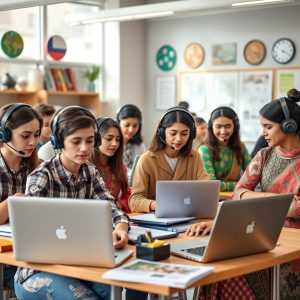
Personalized learning is more than just a buzzword; it is a paradigm shift that places the student at the center of the educational experience. By leveraging smart classroom technology and data-driven insights, educators can tailor instruction to individual learning styles, paces, and interests. This approach not only enhances engagement but also ensures that no student is left behind, particularly those from marginalized or underserved communities.
For instance, adaptive learning platforms use algorithms to adjust the difficulty of tasks in real-time, providing students with challenges that are neither too easy nor too difficult. This dynamic adjustment helps maintain motivation and fosters a growth mindset, which is critical for lifelong learning opportunities. Moreover, personalized learning paths can address gaps in foundational skills, ensuring that all students, regardless of their starting point, have the opportunity to succeed.
The Role of Technology in Personalization
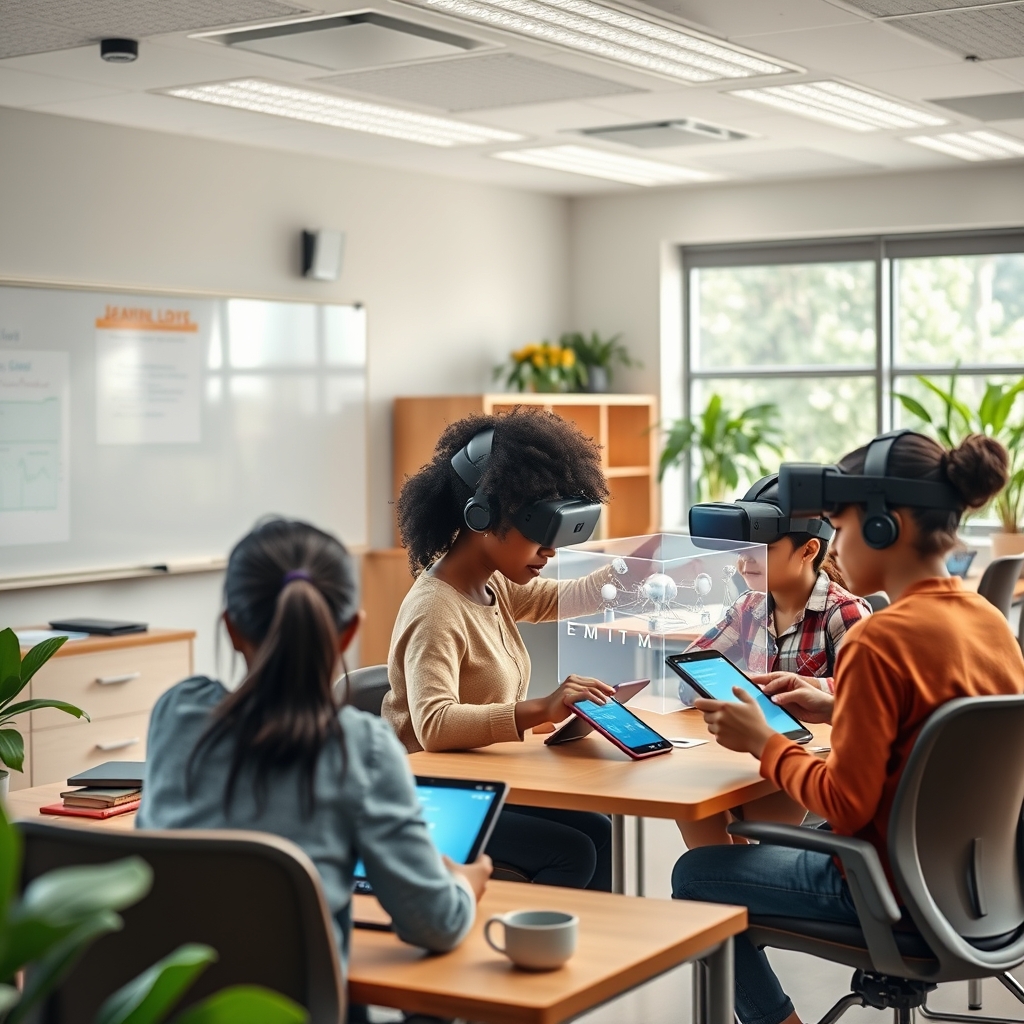
Technology plays a pivotal role in enabling personalized learning. Digital literacy is no longer optional but a fundamental skill that students and teachers alike must possess. Tools such as interactive whiteboards, educational apps, and virtual reality simulations create immersive learning experiences that cater to different learning preferences. For example, a student who struggles with traditional textbook learning might thrive in a virtual lab where they can conduct experiments in a hands-on, interactive environment.
However, the integration of technology in education is not without challenges. The digital divide remains a significant barrier, with disparities in access to devices and reliable internet connectivity. Addressing this issue requires a concerted effort from policymakers, educators, and communities to ensure that modern infrastructure development keeps pace with technological advancements. Without equitable access to these tools, the promise of personalized learning will remain out of reach for many.
Empowering Educators Through Professional Development
The success of personalized learning hinges on the ability of teachers to effectively implement these strategies in their classrooms. Teacher professional development must evolve to include training on innovative teaching methods, data analysis, and the use of educational technology. Workshops, peer mentoring, and online courses can provide educators with the skills they need to create inclusive, student-centered learning environments.
For example, teachers can learn how to use educational assessment tools to track student progress and identify areas where additional support is needed. These tools can provide real-time feedback, allowing educators to adjust their instruction on the fly. Additionally, professional development programs can emphasize the importance of socioemotional learning programs, which help students develop the resilience and self-awareness needed to navigate challenges both inside and outside the classroom.
Bridging the Gap Between Policy and Practice
While personalized learning and teacher development are promising, their implementation requires alignment between policy and practice. Educational resource allocation must prioritize equitable distribution of funding, ensuring that schools in low-income areas have access to the same high-quality resources as their wealthier counterparts. Furthermore, curriculum standardization should be flexible enough to accommodate personalized learning while maintaining rigorous academic standards.
Collaboration between educators, administrators, and policymakers is essential to create a cohesive vision for the future of education. By fostering a culture of continuous improvement and innovation, schools can ensure that all students, regardless of their background, have the opportunity to thrive. This collaborative approach also extends to parents and communities, who play a vital role in supporting students’ learning journeys.
The Broader Impact on Society
The benefits of personalized learning and teacher development extend beyond the classroom. By equipping students with the skills and knowledge they need to succeed, these approaches contribute to the broader goals of sustainable development. For instance, STEM education initiatives can inspire the next generation of innovators, while global competency skills prepare students to navigate an increasingly interconnected world.
Moreover, personalized learning fosters a sense of agency and ownership in students, encouraging them to take an active role in their education. This shift from passive to active learning is critical for developing lifelong learners who are curious, adaptable, and resilient. As students become more engaged in their learning, they are more likely to pursue higher education and career opportunities that align with their passions and strengths.
As education continues to evolve, the focus must remain on creating inclusive, equitable, and high-quality learning experiences for all. The journey toward personalized learning is not without its challenges, but with the right support, resources, and commitment, it has the potential to transform education and empower the next generation of learners. The future of education lies in our ability to adapt, innovate, and prioritize the unique needs of every student, ensuring that no one is left behind in the pursuit of knowledge and growth.