Beyond the Classroom Walls: How Global Competency Skills and Educational Assessment Tools Are Crafting the Future of Inclusive Learning
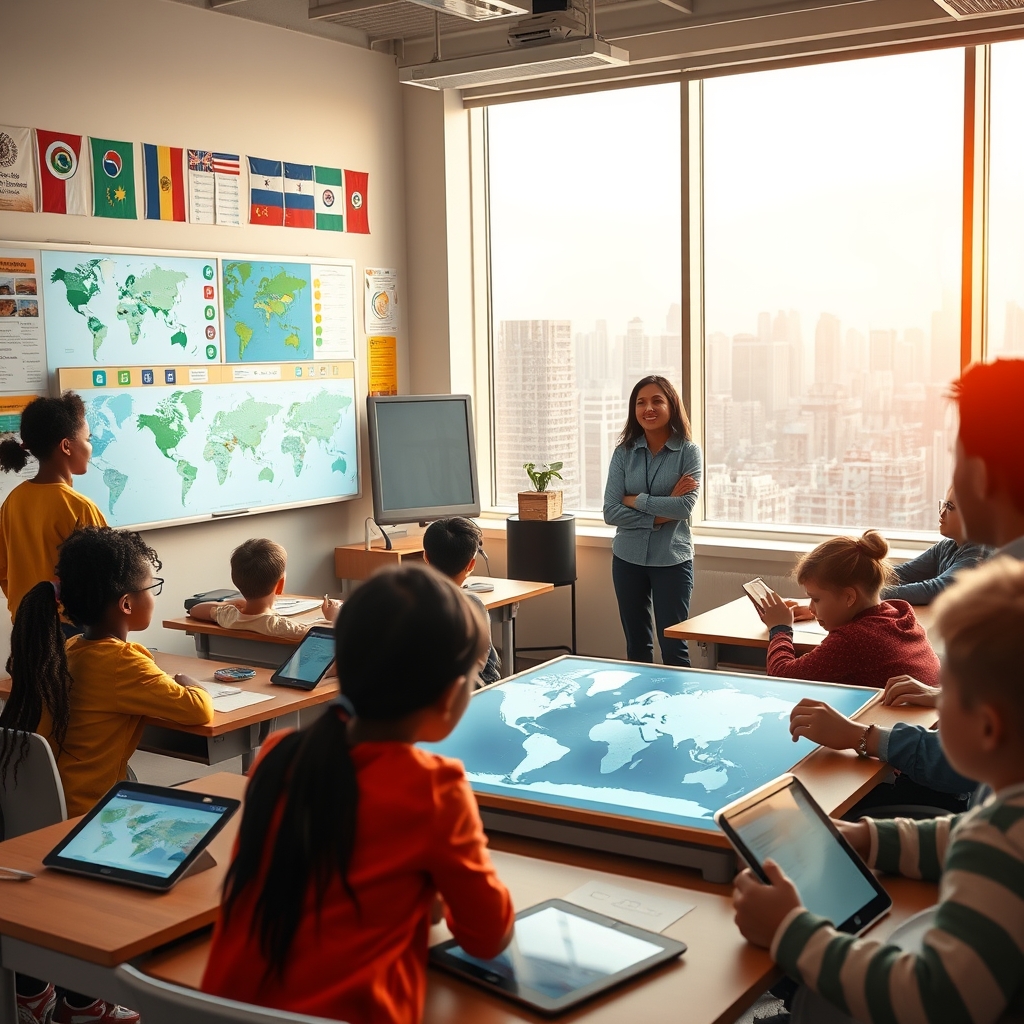
In an era where borders are increasingly blurred by technology and globalization, education systems worldwide are being challenged to prepare students not just for local success, but for global citizenship. The shift toward inclusive education and the integration of global competency skills into curricula are no longer optional—they are essential. Yet, the journey toward truly equitable and future-ready education is paved with complexities, particularly when it comes to measuring progress and ensuring that no learner is left behind.
The Evolution of Global Competency in Education
Global competency is more than just fluency in multiple languages or awareness of international events. It encompasses the ability to understand and act on issues of global significance, collaborate across cultures, and think critically about the interconnectedness of our world. The Sustainable Development Goals (SDGs), particularly SDG 4, which aims to ensure inclusive and equitable quality education, have served as a catalyst for redefining what it means to be educated in the 21st century. Schools are now tasked with nurturing students who are not only academically proficient but also empathetic, adaptable, and capable of navigating diverse perspectives.
However, embedding global competency into education systems requires more than just good intentions. It demands a rethinking of curriculum standardization to ensure that learning objectives align with real-world challenges. For instance, a history lesson might explore the causes and consequences of climate change from multiple cultural viewpoints, while a science class could examine how local environmental issues connect to global patterns. This approach not only enriches learning but also fosters a sense of shared responsibility among students.
The Role of Educational Assessment Tools in Measuring Progress
As education systems evolve, so too must the tools used to assess student learning. Traditional standardized tests, which often prioritize rote memorization, are ill-equipped to measure the nuanced skills associated with global competency, such as collaboration, creativity, and socioemotional intelligence. This is where educational assessment tools come into play, offering innovative ways to evaluate student growth in a more holistic and meaningful manner.
Performance-based assessments, for example, allow students to demonstrate their understanding through projects, presentations, or real-world problem-solving tasks. These methods not only provide a more accurate picture of a student’s abilities but also align with student-centered learning principles, where the focus is on the learner’s individual strengths and needs. Additionally, digital assessment platforms can leverage data analytics to track progress over time, identify gaps in learning, and provide personalized feedback—all of which are critical for fostering equitable access to quality education.
Yet, the adoption of these tools is not without challenges. Schools in underserved communities may lack the modern infrastructure development necessary to support digital assessments, while teachers may require professional development to effectively implement them. Addressing these disparities is essential to ensuring that all students, regardless of their background, have the opportunity to develop the skills they need to thrive in a globalized world.
Bridging the Gap: Teacher Professional Development and Resource Allocation
The success of any educational reform hinges on the preparedness of its educators. Teachers are the frontline workers in the mission to cultivate global competency, and their ability to integrate these skills into their classrooms is directly tied to the quality of their training. Teacher professional development programs must therefore prioritize not only subject-matter expertise but also pedagogical strategies that promote inclusivity, critical thinking, and cross-cultural understanding.
For instance, workshops on socioemotional learning programs can equip teachers with the tools to create safe, supportive classroom environments where students feel valued and empowered to engage in difficult conversations. Similarly, training on innovative teaching methods, such as project-based learning or flipped classrooms, can help educators move away from traditional lecture-based instruction and toward more interactive, student-driven approaches.
Of course, none of this is possible without adequate educational resource allocation. Schools in low-income areas often struggle with overcrowded classrooms, outdated materials, and limited access to technology—all of which hinder their ability to implement global competency initiatives. Policymakers must prioritize equitable funding to ensure that all schools, regardless of their location or socioeconomic status, have the resources they need to provide a high-quality education.
The Future of Learning: Personalized Paths and Lifelong Opportunities
As we look to the future, one thing is clear: the one-size-fits-all model of education is no longer sufficient. Students come from diverse backgrounds, have unique learning styles, and aspire to different career paths. Personalized learning paths offer a way to tailor education to the individual needs of each student, allowing them to progress at their own pace and explore topics that align with their interests and goals.
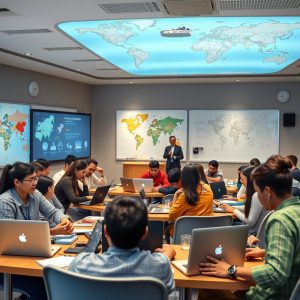
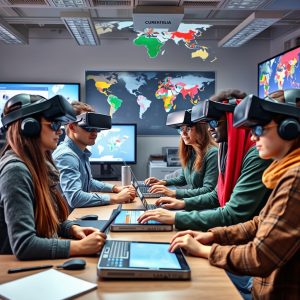
Technology plays a pivotal role in this shift. Adaptive learning platforms, for example, use artificial intelligence to adjust the difficulty of lessons based on a student’s performance, ensuring that they are neither bored nor overwhelmed. Similarly, smart classroom technology, such as interactive whiteboards and virtual reality simulations, can create immersive learning experiences that bring global issues to life in ways that textbooks cannot.
Yet, personalized learning is not just about technology—it’s also about fostering a culture of lifelong learning opportunities. In a rapidly changing world, the ability to adapt and upskill is just as important as the knowledge acquired in school. Schools must therefore instill in students a love of learning that extends beyond the classroom, encouraging them to seek out new experiences, challenge their assumptions, and continuously grow as individuals.
The journey toward inclusive, globally competent education is neither simple nor straightforward. It requires a fundamental rethinking of how we teach, assess, and support students, as well as a commitment to addressing the systemic inequities that persist in education systems worldwide. But the rewards—empowered learners, a more just society, and a generation prepared to tackle the challenges of the future—are well worth the effort. As educators, policymakers, and communities come together to champion these changes, we move one step closer to a world where every student has the opportunity to thrive, no matter where they come from or what obstacles they face.