Unlocking Potential: How Active Learning Methodologies Are Redefining Education

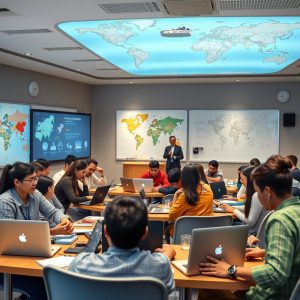
Education is no longer confined to the traditional lecture-based model where students passively absorb information. The shift toward student-centric pedagogy has ushered in a new era of active learning methodologies, where engagement, interaction, and real-world application take center stage. These approaches not only enhance knowledge retention but also foster holistic cognitive growth by addressing the diverse needs of learners. As educators and institutions embrace these innovative strategies, the landscape of learning is evolving to prioritize depth, adaptability, and meaningful experiences.
The Power of Experiential Knowledge Acquisition
At the heart of active learning lies experiential knowledge acquisition, a process where learners gain insights through direct experience rather than rote memorization. This method bridges the gap between theory and practice, allowing students to apply concepts in tangible ways. For example, medical students might engage in simulated surgeries, while business students could participate in mock negotiations. These hands-on experiences not only solidify understanding but also build confidence and critical thinking skills. Research shows that students retain up to 90% of what they learn through doing, compared to just 10% through reading alone. This stark contrast underscores the transformative potential of experiential learning in modern education.
Immersive Skill Development: Learning by Doing
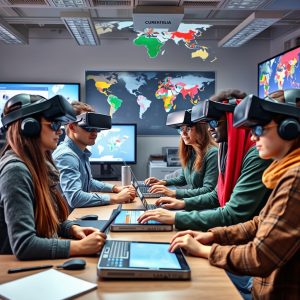
Immersive skill development takes experiential learning a step further by creating environments where learners are fully engaged in the process. Virtual reality (VR) and augmented reality (AR) technologies are prime examples of tools that facilitate this level of immersion. Imagine a history student walking through ancient Rome or a biology student dissecting a virtual frog—these experiences make learning vivid and unforgettable. Beyond technology, immersive learning can also occur through role-playing, simulations, and real-world projects. By placing students in scenarios that mimic professional or real-life challenges, educators can cultivate skills that are directly transferable to their future careers.
Adaptive Learning Pathways: Tailoring Education to the Individual
One size does not fit all in education, and adaptive learning pathways recognize this by personalizing the learning journey for each student. Leveraging data analytics and artificial intelligence, these pathways adjust content, pace, and difficulty based on individual performance and preferences. For instance, a student struggling with algebra might receive additional practice problems and explanatory videos, while an advanced learner could be challenged with more complex concepts. This approach ensures that no student is left behind or held back by a rigid curriculum. Personalized educational journeys not only improve academic outcomes but also boost motivation and self-efficacy, as students feel seen and supported in their unique learning processes.
Collaborative Problem Solving: The Strength of Teamwork
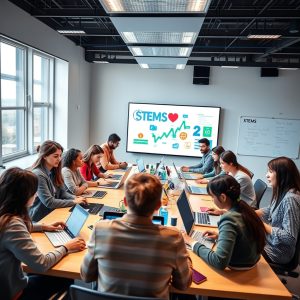
Learning is inherently social, and collaborative problem solving harnesses the power of teamwork to deepen understanding. When students work together to tackle challenges, they bring diverse perspectives, skills, and ideas to the table. This collaborative environment mirrors the real world, where professionals often rely on teamwork to innovate and solve complex problems. Group projects, peer reviews, and discussion-based learning are just a few ways educators can foster collaboration. These activities not only enhance subject-matter expertise but also develop essential soft skills like communication, empathy, and leadership. By working together, students learn to value different viewpoints and build a sense of community that extends beyond the classroom.
Project-Based Learning: From Theory to Practice
Project-based learning (PBL) is a cornerstone of active learning, where students explore real-world problems and create solutions through extended projects. Unlike traditional assignments, PBL encourages inquiry, creativity, and critical thinking. For example, a science class might investigate local environmental issues and propose sustainable solutions, while a literature class could write and perform a play based on a novel. These projects require students to conduct research, collaborate, and present their findings, making learning a dynamic and multifaceted experience. PBL not only reinforces academic content but also instills a sense of purpose, as students see the direct impact of their work.
Digital Literacy Integration: Preparing for the Future
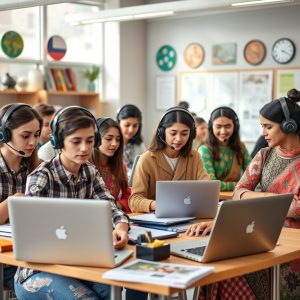
In an increasingly digital world, digital literacy integration is no longer optional—it’s essential. Active learning methodologies seamlessly incorporate technology to enhance engagement and prepare students for the future. From coding and data analysis to digital storytelling and online collaboration tools, technology empowers students to explore, create, and communicate in new ways. Moreover, digital literacy extends beyond technical skills; it includes the ability to critically evaluate information, navigate digital ethics, and adapt to emerging technologies. By integrating digital tools into the curriculum, educators equip students with the competencies they need to thrive in a rapidly evolving landscape.
Reflective Learning Practice: The Key to Lifelong Growth
Active learning is not just about doing—it’s also about reflecting. Reflective learning practice encourages students to think critically about their experiences, identify what they’ve learned, and consider how they can apply these insights in the future. Journaling, self-assessments, and group discussions are common methods for fostering reflection. This practice helps students develop metacognitive skills, enabling them to become more self-aware and intentional learners. Reflection also bridges the gap between short-term achievements and long-term growth, as students connect their learning to personal and professional goals. By making reflection a habit, educators cultivate a mindset of continuous improvement that extends far beyond the classroom.
Competency-Based Education: Mastery Over Memorization
Traditional education often prioritizes memorization and standardized testing, but competency-based education (CBE) flips this model on its head. CBE focuses on mastery, allowing students to progress at their own pace as they demonstrate proficiency in specific skills or knowledge areas. This approach is particularly effective in fields where practical application is critical, such as healthcare, engineering, and the trades. For example, a nursing student might need to demonstrate competency in administering injections before moving on to more advanced procedures. CBE ensures that students are truly prepared for real-world challenges, rather than simply passing exams. By emphasizing mastery, this methodology fosters a deeper, more meaningful understanding of the material.
As education continues to evolve, active learning methodologies are proving to be a game-changer. By prioritizing engagement, personalization, and real-world application, these approaches are not only transforming how students learn but also redefining what it means to be educated. The future of learning lies in creating environments where curiosity is nurtured, challenges are embraced, and every student has the opportunity to thrive. In this dynamic landscape, the possibilities for growth and innovation are limitless, and the impact on learners is profound and enduring.