Nurturing Lifelong Learners: The Synergy of Early Childhood Education and Modern Infrastructure Development
The foundation of a child’s educational journey is often laid in the earliest years of life, where curiosity is sparked, and the love for learning begins to take root. Early childhood education (ECE) is not merely a precursor to formal schooling; it is a critical phase that shapes cognitive, social, and emotional development. When combined with modern infrastructure development, ECE can transcend traditional boundaries, creating environments where every child, regardless of background, has the opportunity to thrive. This synergy is not just about building classrooms—it’s about constructing ecosystems that foster growth, innovation, and equity.
The Power of Early Childhood Education
Research consistently underscores the transformative impact of high-quality early childhood education. Children who participate in well-structured ECE programs demonstrate improved language skills, better social interactions, and enhanced problem-solving abilities. These benefits extend far beyond the classroom, contributing to higher academic achievement, reduced dropout rates, and even long-term economic advantages. However, the effectiveness of ECE hinges on more than just curriculum—it requires a holistic approach that includes trained educators, engaging learning materials, and environments that stimulate exploration and creativity.
In many parts of the world, access to early childhood education remains uneven, with marginalized communities often bearing the brunt of inadequate resources. Addressing these disparities is not just a matter of social justice; it is an investment in the future. When children from diverse backgrounds receive equitable access to ECE, societies benefit from a more skilled, adaptable, and cohesive workforce. This aligns closely with the United Nations’ Sustainable Development Goals (SDGs), particularly SDG 4, which advocates for inclusive and equitable quality education for all.
Modern Infrastructure: More Than Just Bricks and Mortar
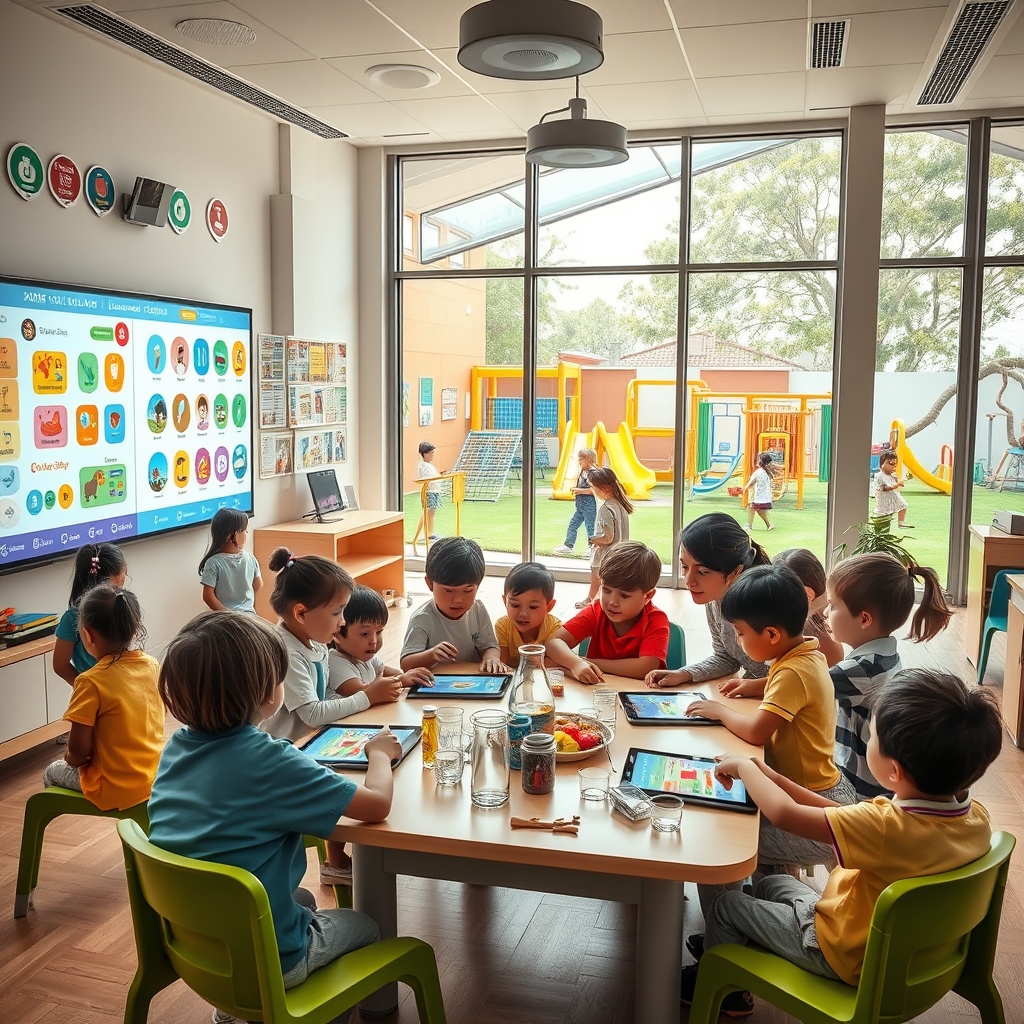
While early childhood education provides the pedagogical framework, modern infrastructure development ensures that this framework is supported by the necessary tools and environments. Smart classroom technology, for instance, can revolutionize the way young learners engage with content. Interactive whiteboards, digital storytelling tools, and adaptive learning platforms can make lessons more dynamic and accessible, catering to different learning styles and needs. These technologies are not just about keeping pace with the digital age—they are about creating inclusive spaces where every child can participate and succeed.
Beyond technology, modern infrastructure also encompasses the physical design of learning spaces. Flexible classrooms that can be easily reconfigured for group activities, quiet reading, or hands-on experiments encourage student-centered learning. Natural lighting, ergonomic furniture, and outdoor play areas further enhance the learning experience, making schools not just places of instruction, but vibrant hubs of discovery. In regions where resources are scarce, even small upgrades—such as providing reliable electricity, clean water, or internet connectivity—can have a profound impact on educational outcomes.
Bridging the Gap with Innovative Teaching Methods
The integration of modern infrastructure into early childhood education opens the door to innovative teaching methods that prioritize engagement and personalization. For example, project-based learning (PBL) allows young children to explore real-world problems through hands-on activities, fostering critical thinking and collaboration. Similarly, play-based learning leverages children’s natural inclination to explore and experiment, making education both fun and meaningful. These methods are particularly effective in early childhood, where learning is deeply intertwined with development.
Teacher professional development plays a pivotal role in this equation. Educators must be equipped with the skills to leverage new technologies and pedagogical approaches effectively. Ongoing training programs that focus on digital literacy, socioemotional learning, and inclusive teaching practices ensure that teachers can adapt to the evolving needs of their students. When educators are empowered, they become catalysts for change, transforming classrooms into nurturing environments where every child feels valued and capable.
Equitable Access: A Cornerstone of Sustainable Development
At the heart of this discussion lies the principle of equitable access—a concept that extends beyond mere enrollment numbers. True equity in education means ensuring that all children, regardless of their socioeconomic status, geographic location, or abilities, have access to the same high-quality learning opportunities. This requires a multi-faceted approach, including targeted resource allocation, community engagement, and policy reforms that prioritize marginalized groups.
One of the most effective ways to achieve equitable access is through partnerships between governments, non-profits, and private sectors. For instance, initiatives that provide mobile learning labs or solar-powered classrooms can bring education to remote or underserved communities. Similarly, programs that offer scholarships, transportation, or nutritional support can remove barriers that prevent children from attending school. By addressing the root causes of educational inequality, these efforts contribute to a more just and sustainable future.
The Role of Lifelong Learning in Shaping the Future
The benefits of early childhood education and modern infrastructure extend far beyond the early years. They lay the groundwork for lifelong learning—a continuous process of acquiring knowledge and skills that enables individuals to adapt to an ever-changing world. In today’s fast-paced, technology-driven society, the ability to learn, unlearn, and relearn is more critical than ever. Lifelong learning opportunities ensure that individuals remain competitive in the job market, engaged in their communities, and capable of contributing to societal progress.
For educators, this means fostering a growth mindset in students from an early age. Encouraging curiosity, resilience, and a love for learning helps children develop the habits and attitudes they need to succeed in the long term. Schools can support this by offering extracurricular activities, mentorship programs, and access to digital resources that extend learning beyond the classroom. When education is viewed as a lifelong journey rather than a finite destination, it becomes a powerful tool for personal and collective transformation.
As we look to the future, the intersection of early childhood education and modern infrastructure development offers a blueprint for creating equitable, inclusive, and dynamic learning environments. By investing in the earliest years of a child’s education and ensuring that schools are equipped with the tools and resources they need, we can unlock the potential of every learner. This is not just about preparing children for the next grade—it’s about empowering them to navigate a complex world with confidence, compassion, and creativity. The seeds we plant today will determine the kind of society we build tomorrow, and it is our collective responsibility to ensure that no child is left behind.