
Fostering Lifelong Learning: The Intersection of Early Childhood Education and Digital Literacy for Sustainable Development
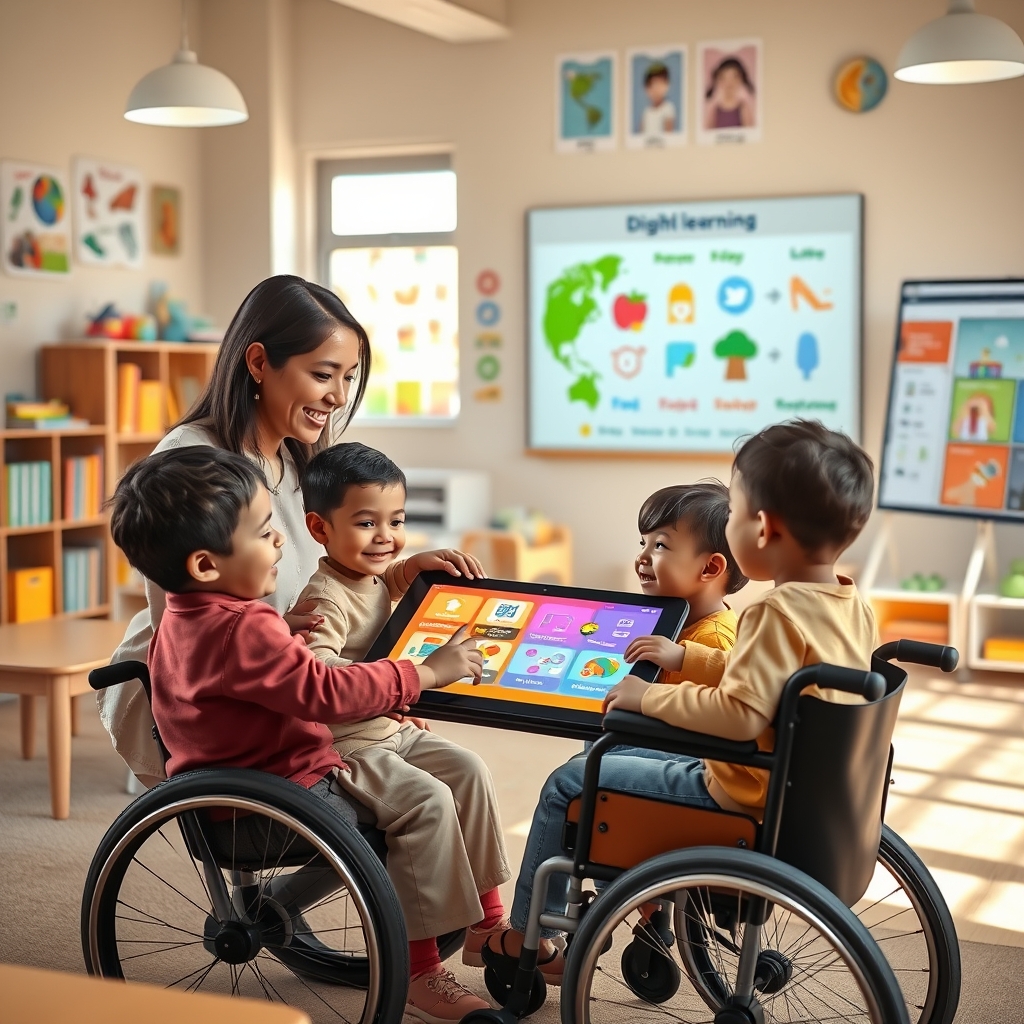
In an era where knowledge evolves at an unprecedented pace, the foundation of lifelong learning begins in the earliest years of a child’s development. Early childhood education (ECE) is not merely about preparing children for formal schooling; it is about instilling a love for learning, nurturing curiosity, and equipping young minds with the skills they need to thrive in an increasingly digital world. As educators and policymakers strive to align educational practices with the Sustainable Development Goals (SDGs), particularly SDG 4—ensuring inclusive and equitable quality education—the integration of digital literacy into early learning environments emerges as a critical strategy.
The Critical Role of Early Childhood Education
Early childhood education serves as the cornerstone of a child’s cognitive, social, and emotional development. Research consistently demonstrates that high-quality ECE programs lead to improved academic outcomes, enhanced social skills, and greater economic productivity in adulthood. However, the benefits of ECE extend beyond individual success; they ripple through communities, contributing to reduced inequality and fostering social cohesion. When children from diverse backgrounds—including those from marginalized communities—have access to enriching early learning experiences, the stage is set for more equitable access to education throughout their lives.
Yet, the potential of ECE is often underutilized, particularly in regions where resources are scarce. Educational resource allocation plays a pivotal role in determining the quality and reach of early learning programs. Investments in trained educators, developmentally appropriate materials, and safe, stimulating learning environments are essential to ensuring that all children, regardless of their socioeconomic status, can benefit from early education. Moreover, the adoption of innovative teaching methods—such as play-based learning and inquiry-driven approaches—can further enhance the effectiveness of ECE, making it more engaging and impactful for young learners.
Digital Literacy: A Gateway to Lifelong Learning
As digital technologies permeate every aspect of modern life, digital literacy has become a fundamental skill, akin to reading and writing. For young children, exposure to technology in a structured and intentional manner can lay the groundwork for future success in a digital economy. However, digital literacy is not just about teaching children how to use devices; it is about fostering critical thinking, creativity, and responsible digital citizenship. When integrated thoughtfully into early childhood education, technology can serve as a powerful tool for student-centered learning, allowing children to explore concepts at their own pace and in ways that resonate with their unique interests and abilities.
One of the most compelling aspects of digital literacy in ECE is its potential to bridge gaps in access to education. Smart classroom technology, such as interactive whiteboards, educational apps, and adaptive learning platforms, can provide children in underserved communities with opportunities to engage with high-quality educational content. For example, programs like One Laptop per Child and UNICEF’s Learning Passport have demonstrated how technology can bring learning to children in remote or conflict-affected areas, ensuring that no child is left behind. However, the digital divide remains a significant barrier, and efforts to promote digital literacy must be accompanied by investments in modern infrastructure development, such as reliable internet access and electricity, to ensure that all children can participate in the digital learning revolution.
Teacher Professional Development: The Key to Effective Integration
The successful integration of digital literacy into early childhood education hinges on the preparedness of educators. Teachers play a central role in shaping young children’s experiences with technology, and their ability to use digital tools effectively can make the difference between a superficial engagement with technology and a deep, meaningful learning experience. Teacher professional development programs that focus on digital literacy, pedagogical strategies for technology integration, and the ethical use of digital resources are essential to empowering educators to leverage technology in ways that enhance learning outcomes.
Moreover, professional development should not be a one-time event but an ongoing process that evolves alongside technological advancements. Collaborative learning communities, where teachers can share best practices and troubleshoot challenges, can foster a culture of continuous improvement. Additionally, partnerships with technology companies, non-governmental organizations, and higher education institutions can provide teachers with access to cutting-edge tools and resources, further enriching their ability to deliver high-quality, digitally enhanced education.
Aligning Early Childhood Education and Digital Literacy with the SDGs
The integration of early childhood education and digital literacy aligns closely with several of the Sustainable Development Goals, particularly SDG 4 (Quality Education), SDG 5 (Gender Equality), SDG 10 (Reduced Inequalities), and SDG 17 (Partnerships for the Goals). By ensuring that all children have access to high-quality early learning experiences that incorporate digital literacy, educators and policymakers can contribute to a more inclusive and equitable world. For instance, digital tools can be used to create personalized learning paths that cater to the unique needs of each child, including those with disabilities, thereby promoting inclusivity and reducing disparities in educational outcomes.
Furthermore, digital literacy can empower girls and young women, who are often disproportionately affected by limited access to education. Programs that teach digital skills to girls can open doors to new opportunities, enabling them to participate more fully in the digital economy and break cycles of poverty. Similarly, digital literacy initiatives can foster global competency skills, such as cross-cultural communication and collaboration, preparing children to thrive in an interconnected world.
The Future of Learning: A Holistic Approach
As we look to the future, the intersection of early childhood education and digital literacy offers a promising pathway to achieving the SDGs and creating a more just and sustainable world. However, realizing this potential requires a holistic approach that addresses the multifaceted challenges of educational equity, resource allocation, and teacher preparedness. It also demands a commitment to quality assurance in education, ensuring that digital tools and technologies are used in ways that enhance, rather than detract from, the learning experience.
Ultimately, the goal is not to replace traditional early learning methods with technology but to create a balanced, integrated approach that leverages the strengths of both. By doing so, we can nurture a generation of lifelong learners who are not only proficient in digital skills but also equipped with the critical thinking, creativity, and resilience needed to navigate an ever-changing world. The seeds we plant in early childhood education today will determine the shape of our collective future, and it is our responsibility to ensure that every child has the opportunity to grow and thrive in the digital age.